North Carolina
Compare the best eco-friendly roofing materials for NC homes, from metal and solar to clay and recycled shingles, plus energy savings and 2026 incentives.

What are the best eco-friendly roofing materials?
Top eco-friendly roofing materials include solar roofing, metal, green roofs, recycled shingles, and clay tile. For most North Carolina homes, metal and cool-rated asphalt deliver the biggest energy savings for the money by reflecting heat and cutting cooling bills, while recycled shingles are the budget-friendly pick and clay tile lasts the longest.
Key takeaways
- Popular eco-friendly options are solar, metal, green roofs, recycled shingles, and clay tile.
- In NC's hot, humid summers, reflective metal and cool-rated asphalt deliver the biggest cooling savings.
- Cool roofs can trim cooling costs by roughly 7% to 40% depending on the material.
- A 30% federal residential solar tax credit ended after 2025, so check current state and utility programs.
- Metal is the strongest all-around pick, recycled shingles the easiest on the budget, and clay the longest-lasting.
Roofing has not always been a green industry, but that has changed a lot in recent years. Today you can choose from several sustainable materials that lower your carbon footprint and, just as important for most homeowners, trim your energy bills. In North Carolina's hot, humid summers, the right roof reflects heat and eases the load on your air conditioner. Below, we cover five eco-friendly roofing materials, how practical each one is for NC homes, and what each can do for your energy costs.
- Solar roofing
- Metal roofing
- Green roofing
- Recycled shingles
- Clay tiles
- Energy savings and incentives in NC
- Which one makes sense for your home
- FAQ
Solar Roofing
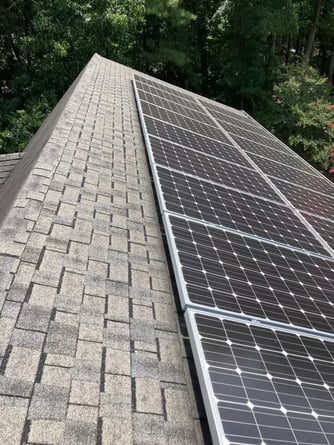
Solar roofing, whether panels or integrated solar shingles, turns sunlight into electricity and can shrink or even erase a power bill. Our sunny Southeast climate suits it well. Two things are worth weighing in 2026, though. Upfront cost is still high, and the federal residential solar tax credit that covered 30% of a purchased system ended after December 31, 2025, so buying outright no longer earns that break. Leased and power-purchase-agreement systems may still qualify through 2027, and some state or utility programs help, so check what is currently available before you commit.
Metal Roofing
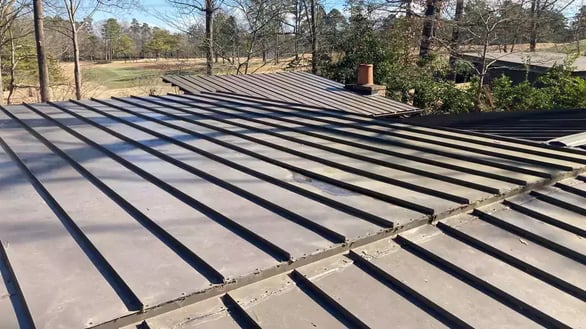
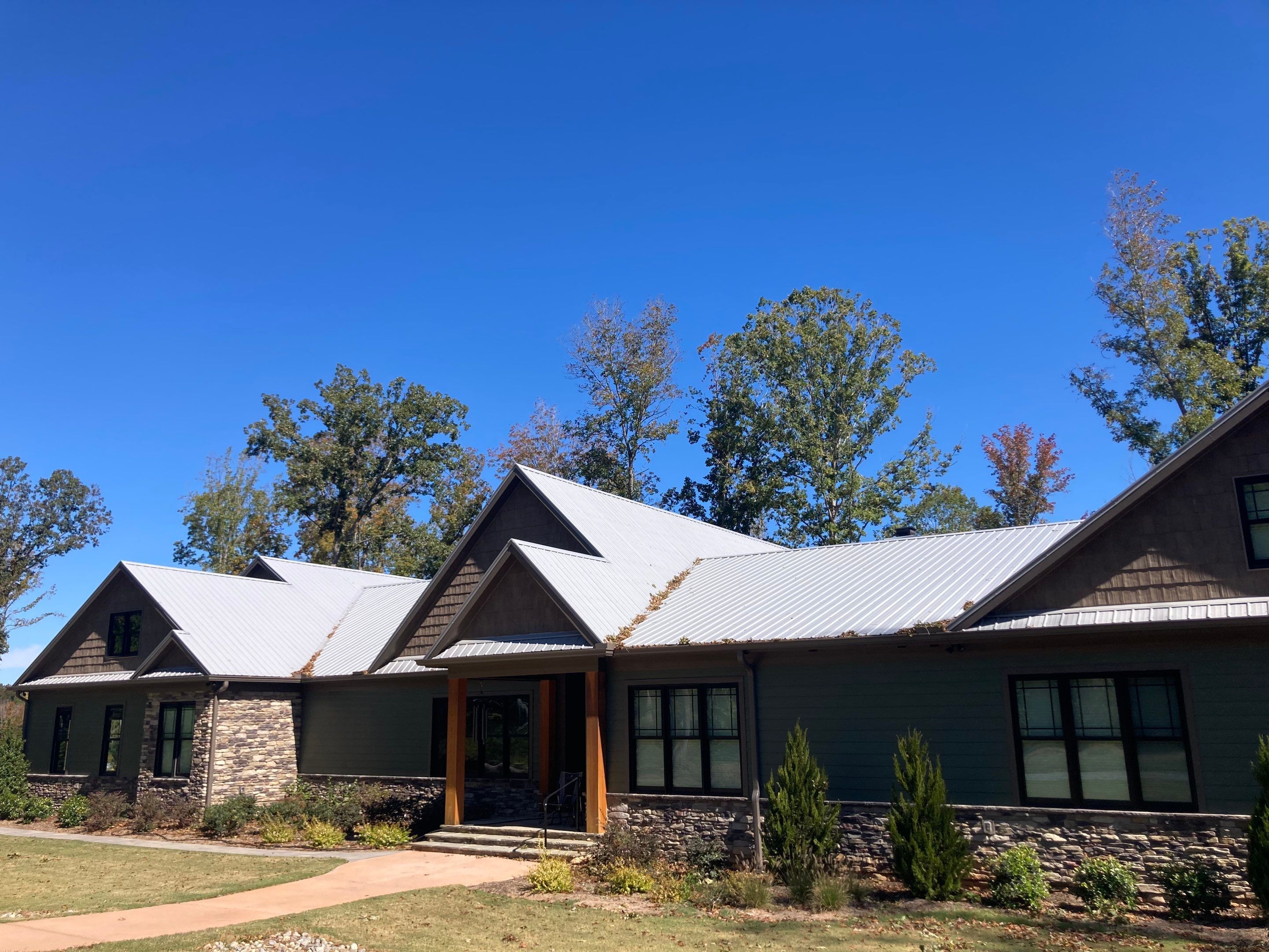
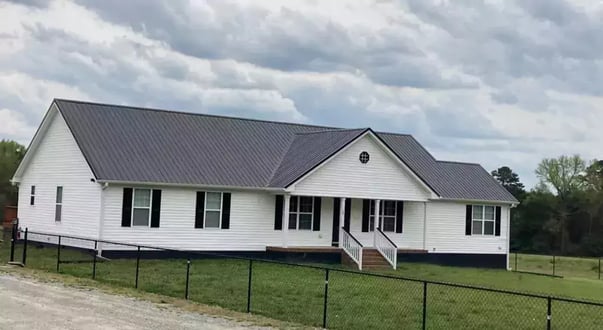
Metal is a very practical eco-friendly choice for North Carolina. Panels are often made with recycled content and are fully recyclable at the end of a long, 40 to 70 year life. Just as valuable here, a reflective or cool-coated metal roof bounces back 40% to 70% of the sun's heat, compared with 5% to 25% for dark asphalt, which can cut cooling costs by 20% to 40% in a hot climate. Metal costs more upfront than asphalt, but the energy savings and lifespan make it a strong long-term value.
Green Roofing
Green roofs, also called living roofs, cover the surface with plants that insulate the home, soak up stormwater, and clean the air. They are striking and genuinely sustainable, but they need a flat or low-slope roof, careful waterproofing, irrigation, and ongoing upkeep. Most NC homes have sloped, shingled roofs, so green roofing is more of a niche option here, best suited to certain modern or commercial-style buildings rather than a typical Triangle house.
Recycled Shingles
Recycled shingles are made from reclaimed rubber, plastic, and wood fiber, which keeps waste out of landfills. They hold up well, come in a range of looks, and are the budget-friendly way to go green, often close to standard asphalt in price. For a homeowner who wants a sustainable roof without a big jump in cost, they are one of the easier options to justify in North Carolina.
Clay Tiles
Clay tile is made from natural, abundant material, it is recyclable, and it lasts an exceptionally long time, often 50 to 100 years. Its thermal mass helps keep homes cooler in hot weather, which fits our climate. One catch is weight. Clay is heavy, so your home's structure has to support it, and it costs more upfront. It also suits Mediterranean and Spanish styles more than the typical NC brick or siding home, so it shows up less often here, but it is a durable, eco-friendly choice where the look and structure fit.
Energy Savings and Incentives in North Carolina
Because our summers run hot and humid, cutting cooling costs is where an eco-friendly roof pays off fastest. Cool-rated asphalt shingles reflect 25% to 40% of the sun's energy, versus 5% to 15% for standard dark shingles, and can lower attic temperatures by 20 to 30 degrees and trim cooling bills by 7% to 15%, usually for only about 50 cents to a dollar and a half more per square foot. A reflective metal roof pushes those savings higher.
Incentives have shifted, though. As of 2026, the 30% federal residential solar tax credit has ended for purchased systems, so it is no longer a factor for buying solar outright. Before counting on any rebate, check current federal, state, and utility offerings, since programs like Duke Energy incentives change from year to year.
Which One Makes Sense for Your Home?
For most Triangle homeowners, metal delivers the strongest mix of sustainability, energy savings, and lifespan, though it costs more upfront. Cool-rated asphalt shingles are the easiest value play, adding real cooling savings for a small price bump. Recycled shingles are the budget-friendly way to go green, clay tile lasts the longest where the structure and style fit, and solar makes sense if generating your own power is the goal, keeping the 2026 credit changes in mind. Green roofs stay a niche pick, best suited to flat or low-slope designs.
Ready to Go Greener Overhead?
An eco-friendly roof can shrink both your footprint and your energy bills, and the right choice depends on your home, your budget, and the look you want. On Tops Roofing has helped Triangle homeowners weigh their roofing options since 1991, and we are glad to talk through what fits your house and our climate. You can request a free estimate whenever you are ready.
FAQ
What is the most eco-friendly roofing material?
It depends on your goal. Metal stands out for recycled content, recyclability, and energy savings, solar roofing for generating clean power, and clay tile for an exceptionally long life. For most NC homes, metal offers the strongest all-around balance.
Do eco-friendly roofs save money on energy bills?
Yes, especially reflective ones. Cool-rated asphalt can cut cooling costs by about 7% to 15%, and a reflective metal roof by 20% to 40% in a hot climate, which adds up fast during North Carolina summers.
Is there still a solar tax credit in 2026?
A 30% federal residential credit ended after December 31, 2025 for systems you buy outright, so purchased solar earns no federal credit in 2026. Leased and power-purchase-agreement systems may still qualify through 2027, and state or utility programs can vary, so confirm current offerings before you buy.
What eco-friendly roof works best in North Carolina?
Reflective metal and cool-rated asphalt shingles are especially practical for our hot, humid climate, since they cut cooling costs and hold up well. Recycled shingles are a strong budget option, and clay tile works where the structure and style suit it.
Are recycled shingles durable?
Yes. Made from rubber, plastic, and wood fiber, they stand up to weather much like conventional shingles, come in various styles, and keep material out of landfills, all at a price close to standard asphalt.