Asphalt Shingles
Learn how to spot defective shingles, tell them from storm damage, use your manufacturer warranty, and know when insurance covers a roof replacement.

What are defective shingles?
Defective shingles are shingles that fail because of a flaw in how they were made or what they were made from, not because of age, weather, or a bad install. They show up as widespread blistering, cracking, curling, or granule loss that appears earlier than the shingle's rated life and across the whole roof rather than in one spot.
It is important to note that most shingles from reputable manufacturers last their rated life, and the majority of roof problems come down to age, weather, or installation. However, defects do happen, sometimes across a whole batch, but they are uncommon. This guide will help you identify potential shingle manufacturer defects and understand the next steps to take.
Key takeaways
- A defect is a material or manufacturing problem, separate from storm damage or normal wear.
- The telltale sign is failure that is uniform and roof-wide, not tied to one slope or one storm.
- Manufacturer warranties cover defects, but coverage shrinks over time and often excludes labor unless you have an extended warranty.
- Homeowners insurance covers sudden, accidental damage like wind and hail, not manufacturing defects.
- A documented professional inspection is the fastest way to prove a defect and start a claim.
On this page
- What problems can defective shingles cause?
- How do you identify defective shingles?
- How do manufacturer warranties work?
- Does insurance cover a replacement?
- What can you do about it?
- FAQ
What problems can defective shingles cause?
A defective shingle does not protect your roof the way it should, and the problems tend to spread. Once the protective granule layer thins or the shingle cracks, water finds a way in. From there you can see leaks, rotted decking, stained ceilings, and damaged insulation. None of that stays cheap for long.
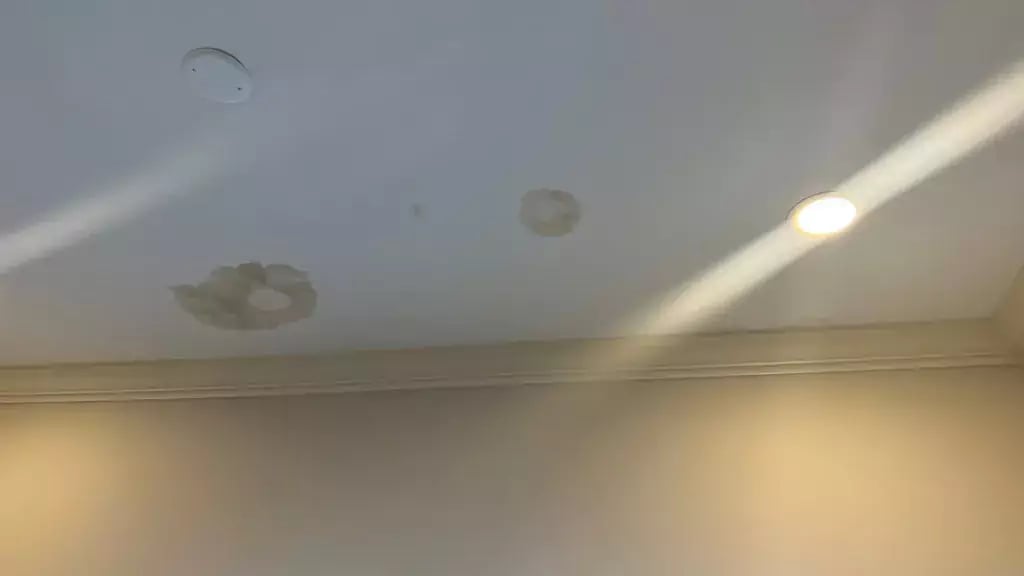
Defective shingles also age the whole roof faster. A roof rated for 30 years can start looking tired in a handful of seasons: bald spots where granules washed off, edges that lift and curl, and color that fades unevenly. That hurts curb appeal and can complicate a sale, because a buyer's inspector will flag a roof that looks two decades older than it is.
North Carolina weather speeds all of this up. Our summer heat bakes a roof day after day, and the pop-up thunderstorms that roll through the Triangle test it the moment a shingle starts to weaken. A roof that might limp along in a mild climate often gives up sooner here, which is why a defect that would be slow to show elsewhere can turn into an active leak in a single wet stretch.
How do you identify defective shingles?
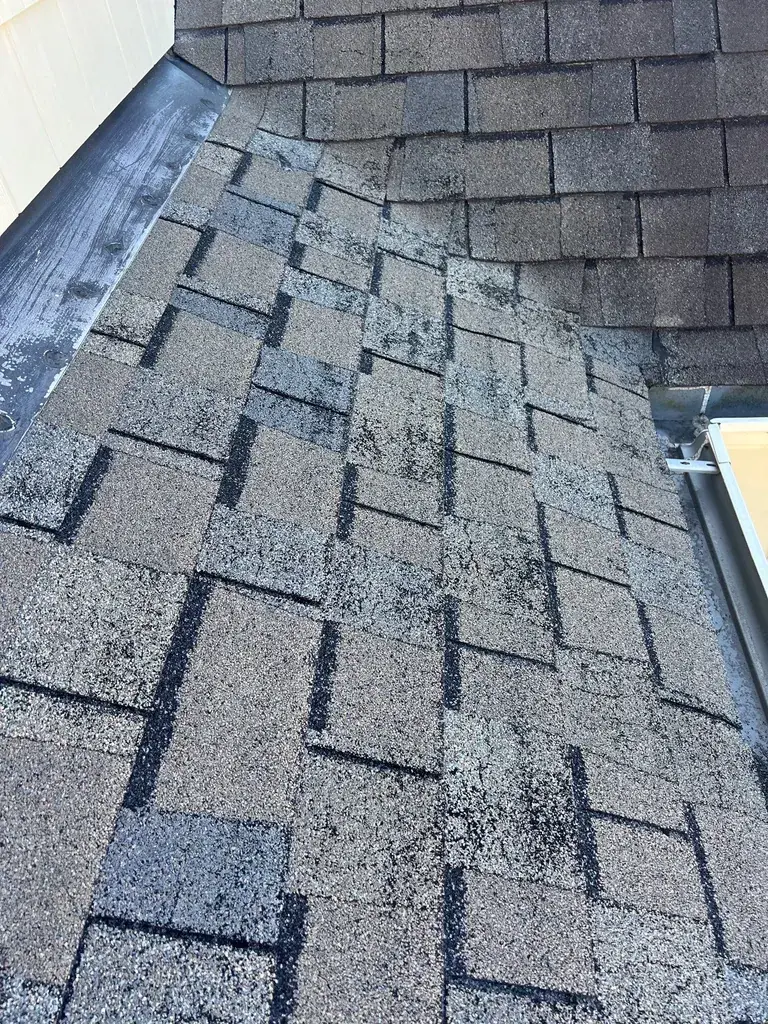
The biggest clue is the pattern. A manufacturing defect usually shows up across the entire roof at once, regardless of which way a slope faces or how much sun it gets. If the north side, the south side, and the shaded sections are all failing the same way at the same time, that points to the shingles themselves, not to the elements.
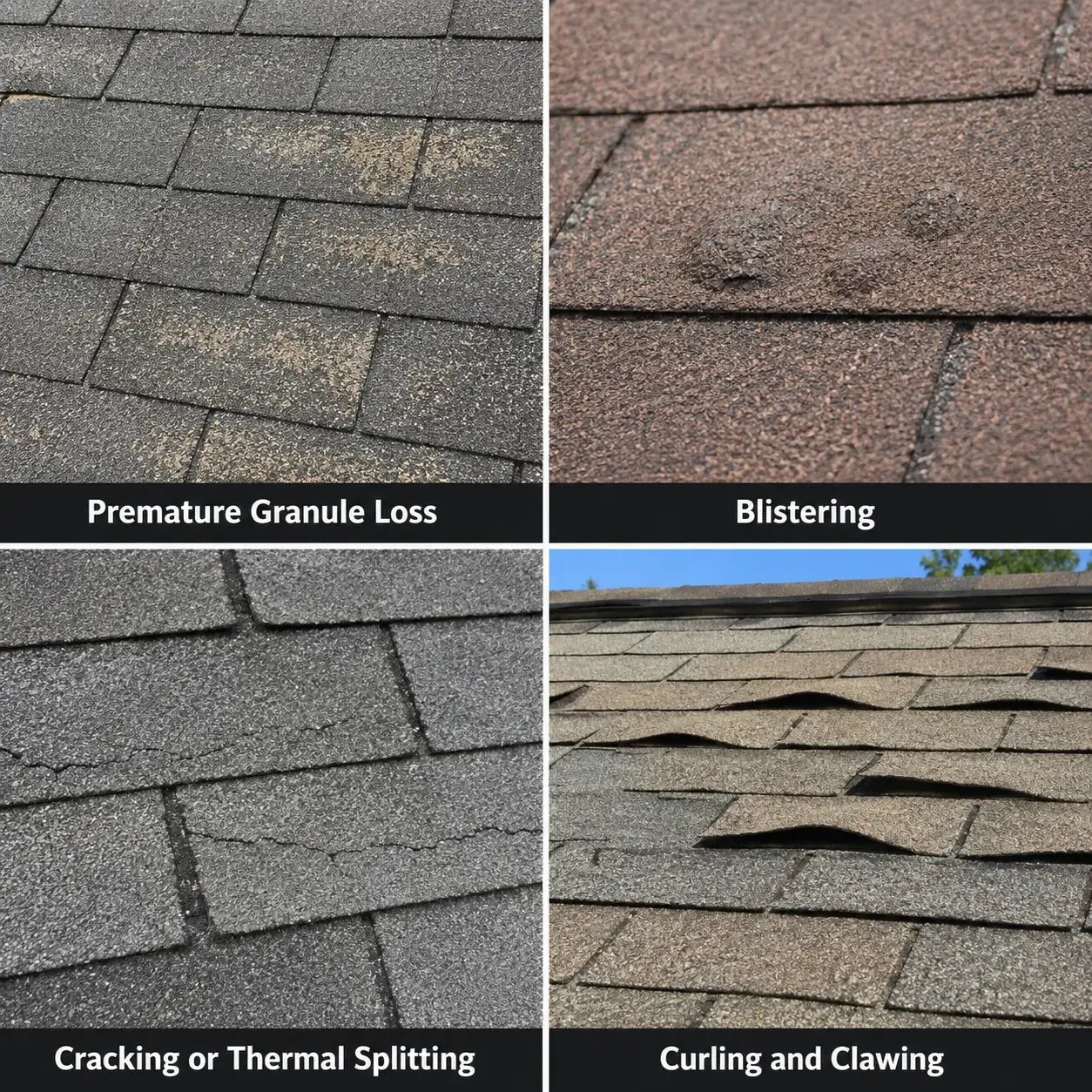
Common signs of a defect include:
- Premature granule loss. Bare asphalt showing through, with granules collecting in gutters, long before the shingle's rated age.
- Blistering. Small raised bubbles across the surface that pop and expose the mat underneath.
- Cracking or thermal splitting. Straight splits and random cracks that appear without any storm to explain them.
- Curling and clawing. Edges lifting or the center humping up while the shingle is still fairly new.
- Uniform, roof-wide failure. The same problem repeating everywhere, often on shingles from the same production batch.
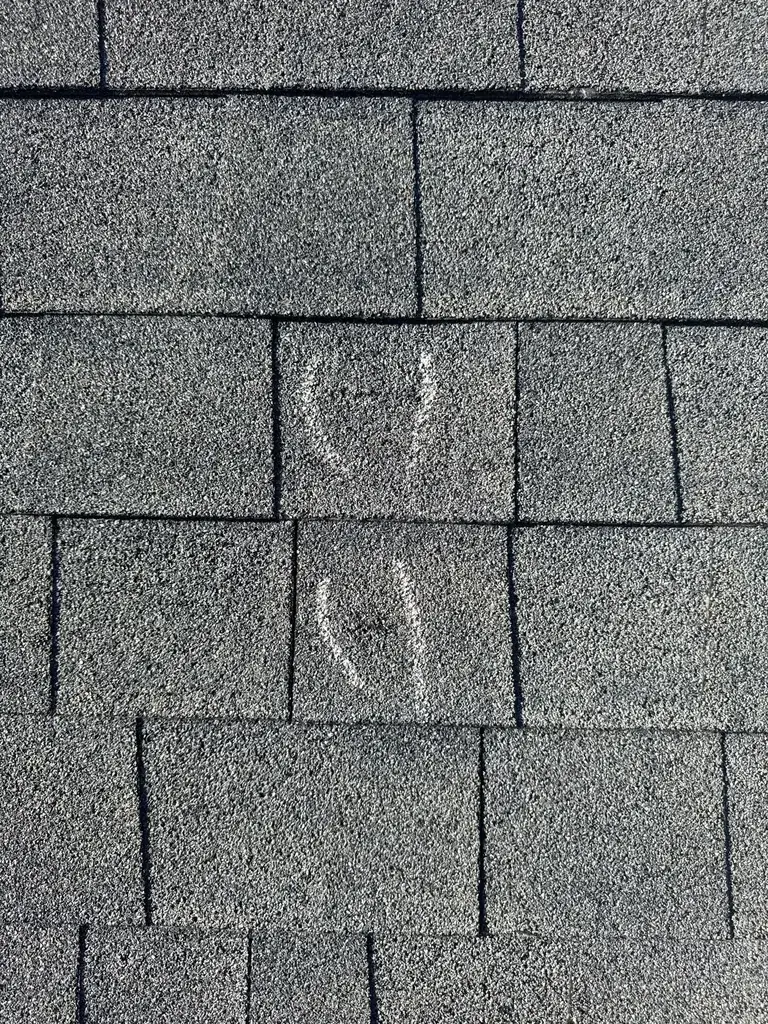
It helps to separate a defect from storm damage, because the two get confused often and they are handled in completely different ways. Wind and hail damage is patterned and tied to an event. Hail leaves random bruises and knocks granules off in scattered dings. Wind lifts and creases shingles along the edges and corners that face the storm, usually on one slope. A defect, by contrast, ignores direction and shows up everywhere at once.
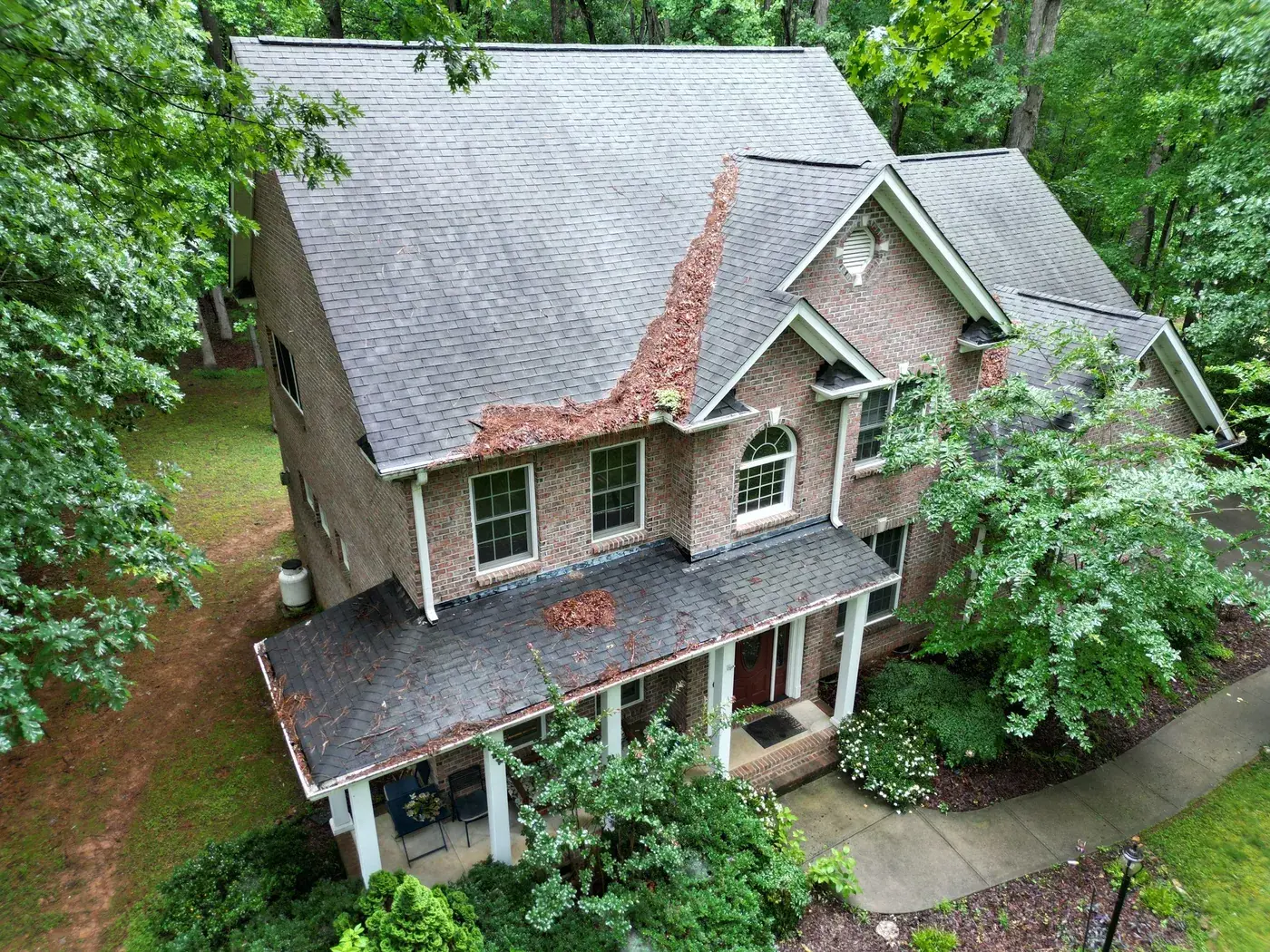
Local conditions can muddy the picture. A heavy coat of pine pollen in spring, a layer of leaves and debris in a valley, or the aftermath of one strong Triangle thunderstorm can all look alarming without meaning the shingles are defective. That is why a close look, ideally by someone who inspects roofs for a living, beats a guess from the ground.
How do manufacturer warranties work?
Shingle warranties are limited warranties, and the word limited matters. They cover defects in the shingle itself, and they change as the roof ages. Most start with a non-prorated period, often the first ten years or so, when the manufacturer will cover the cost of replacement materials for a proven defect. After that the coverage prorates: the manufacturer pays a percentage based on the roof's age, and that percentage drops every year. A 'limited lifetime' warranty follows the same pattern, so the headline number is rarely what you collect later in the roof's life.
There is also a difference between a material-only warranty and a system or enhanced warranty. A basic material warranty replaces defective shingles but typically will not pay for the labor to tear off and reinstall, or for disposal. An enhanced or system warranty, which covers more of those real costs, is usually only available when a manufacturer-certified contractor installs a full system of matched components and registers the job. Registration and transferability rules vary by manufacturer, so it is worth confirming both when the roof goes on.
This is also where the installer matters more than people expect. Most manufacturers will deny a claim if the shingles were installed incorrectly, because a bad install, not the product, becomes the cause of failure. So far we have discussed how warranties are structured. To give you a concrete example, we can talk about what we do. On Tops Roofing is a GAF Master Elite contractor and a CertainTeed ShingleMaster, two certifications that a small share of roofers hold, and that status is what makes the stronger system warranties available to our customers in the first place. We install to the manufacturer's specifications and register the work so the coverage actually holds up if a defect ever surfaces.
Does insurance cover a replacement?
Usually not for a defect. Homeowners insurance is built to cover sudden, accidental damage: a wind event that tears shingles off, hail that bruises them, a tree limb that comes through. It is not designed to cover manufacturing defects, wear and tear, or a roof that simply aged out. Those fall under the manufacturer warranty, not your policy.
The line blurs when a storm damages a roof that was already weak. In North Carolina that is a real scenario, between coastal hurricanes late in the season and the hail that comes with spring and summer storms. If a covered storm causes new, documented damage, that part may well be a valid insurance claim even though the underlying defect is not. The two issues get handled separately: the storm damage through your insurer, the defect through the manufacturer.
Because the distinction decides who pays, it pays to get the cause documented correctly before you file anything. An inspection that clearly identifies what is storm damage and what is a defect keeps you from filing the wrong kind of claim and getting denied.
What can you do about it?
If you suspect your shingles are defective, a handful of steps will move you toward a fix:
- Document everything. Take clear photos of the failures across different parts of the roof, and note when you first saw them.
- Get a professional inspection. A qualified inspector can confirm whether the cause is a defect, storm damage, an install problem, or normal aging.
- Find your product and paperwork. Track down the shingle brand and line, any lot or batch numbers, and your original installation and warranty records.
- File the right claim. Send a defect to the manufacturer and storm damage to your insurer, with the documentation to back each one.
- Plan the repair or replacement. If the failure is widespread, a full replacement is often more sensible than patching shingles that are all heading the same direction.
So far we have discussed the steps any homeowner can take. To give you a concrete example, we can talk about what we do. On Tops Roofing has been in business since 1991 and has completed more than 15,000 jobs, and we have a certified roof inspector who can tell a manufacturing defect from storm or install damage and document it in a way that holds up with a manufacturer or an insurer. On a replacement, a dedicated project manager stays with your job from inspection through cleanup, so the diagnosis, the paperwork, and the work all line up instead of falling on you to coordinate.

FAQ
Can I tell if my shingles are defective myself?
You can spot the warning signs from the ground or a window: bald patches, curling edges, granules in the gutters, or cracking with no storm to explain it. Confirming a defect, though, usually takes a closer look, because storm damage and normal aging can mimic it.
Does a defect void my warranty?
No. A genuine manufacturing defect is exactly what the warranty is meant to cover. What can void coverage is an improper installation, which is why certified, by-the-book installation matters so much.
Will filing a claim raise my insurance?
A manufacturing defect is not an insurance matter at all, so it would not involve your policy. Storm-damage claims are separate, and how they affect a policy varies by insurer and situation, so it is worth asking your agent before you file.
Are defective shingles common?
Most shingles perform fine, but defects do happen, sometimes affecting an entire production batch. When they do, the failures tend to show up across the whole roof rather than in one isolated area.
How long should shingles last before a defect is likely?
Most architectural shingles are built to last a few decades. If your roof has widespread failure within the first several years, that is a strong sign of a defect rather than normal aging.