Roofing FAQs
Living in an HOA? Most require approval before a roof replacement. Learn the rules, who files for approval, and how to stay compliant in NC.

How do HOA rules affect a roof replacement?
If you live in an HOA community, you usually need written approval before replacing your roof. Most HOAs limit the color, style, and sometimes the material you can use, and you submit your plan to the architectural review committee for sign-off first. The homeowner is responsible for getting that approval, and skipping it can mean fines or being told to redo the work.
Key takeaways:
- Most HOAs require approval before a roof replacement, not after.
- Your CC&Rs and the approved-materials list tell you what colors, styles, and materials are allowed.
- The homeowner is typically responsible for filing for HOA approval.
- Approval can take days to weeks, so build it into your project timeline.
- Architectural asphalt shingles are the most common HOA-friendly choice.
Owning a home in a community governed by a Homeowners Association comes with an extra layer of rules, and roofing is one of the most visible places those rules apply. HOAs exist to protect the look and property values of the neighborhood, so before you pick a shingle color or schedule a replacement, it is worth understanding how the HOA fits into the process.
In this blog, we will cover:
- Understanding HOA roofing regulations
- Who files for approval, and how the process works
- Common HOA-approved roofing materials
- Asphalt shingles and the HOA
- The impact of new roofs on property values
- FAQ
Understanding HOA Roofing Regulations
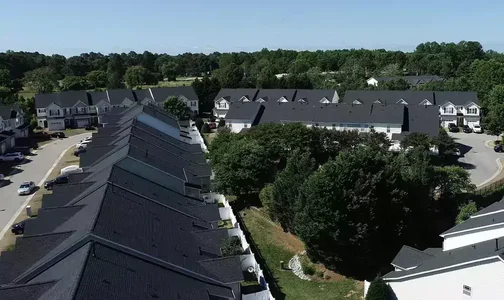
An HOA's job is to keep a neighborhood looking consistent, since a cohesive look tends to support property values and a sense of pride among residents. Roofing is a big part of that, so most associations set guidelines on what your roof can look like.
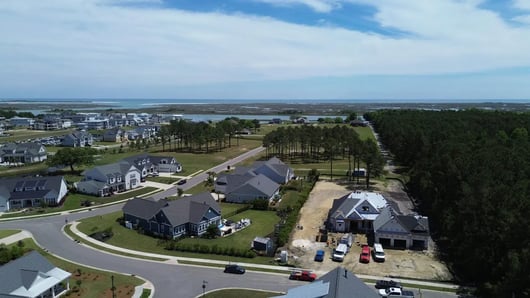
Those guidelines usually live in your CC&Rs, the covenants, conditions, and restrictions you agreed to when you bought the home, along with a separate list of approved materials and colors. The rules can limit shingle color, style, and sometimes the material itself. They may feel restrictive, but the point is to prevent one house from standing out in a way that throws off the whole street. The first practical step in any HOA roof project is simply to pull out your CC&Rs and read the roofing section, or request the current guidelines from your HOA, so you know what you are working with before you fall in love with a color.
Who Files for Approval, and How the Process Works
Here is where homeowners most often get tripped up. In nearly every HOA, you cannot just hire a roofer and start: you need written approval first, and getting it is the homeowner's responsibility, not the roofer's.
The approval usually runs through the HOA's architectural review committee, sometimes called the ARC or architectural control committee. Most committees ask for a completed architectural change request form along with a few specifics about the roof: the shingle manufacturer and product line, the exact color, and a color swatch or product brochure showing what it looks like. Some also want the name of your contractor and a rough timeline for the work. The committee checks all of that against the community's standards before giving the go-ahead.
Since you are the one who belongs to the association, filing the request falls to you rather than your roofer. A good roofer simply makes it painless by handing you the details the form requires, namely the manufacturer, product line, color, and a product sheet or sample. At On Tops Roofing, we are glad to pull that information together for you so all that is left to do is fill out your HOA's form and send it in.
The piece homeowners most often miss is timing. ARC review can take anywhere from a few days to several weeks depending on how often the committee meets, so it pays to start the approval early rather than after you are ready to install. Beginning work without approval is a genuine risk: HOAs can levy fines and, in some cases, require you to redo a non-compliant roof at your own cost. A little patience up front avoids a very expensive problem later.
Common HOA-Approved Roofing Materials
Most HOAs approve a range of materials, each with its own pros and cons, so you usually have more choice than you might expect within the guidelines.
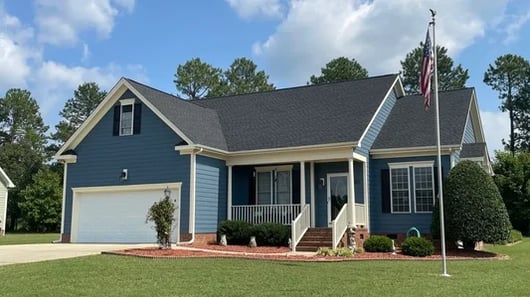
Options typically range from traditional asphalt shingles to more upscale choices like metal and slate. The goal is to find a material that satisfies the HOA's rules and your own needs at the same time: it should hold up to the local climate, protect the home well, and not demand constant maintenance. Picking a durable, compliant material protects both the longevity of your roof and the look of the neighborhood, which is exactly what the HOA is trying to preserve.
Asphalt Shingles and the HOA
Asphalt shingles are the most common choice in HOA neighborhoods, and for good reason. They are cost-effective and come in a wide range of colors and styles, which makes it easy to find an option that satisfies the guidelines while still suiting your taste.

Their biggest advantage is adaptability. Architectural shingles, in particular, can mimic the look of wood, slate, or tile, so you can get a high-end appearance while staying within the HOA's boundaries. The type you choose also shapes your curb appeal, since the texture, color, and pattern all affect how the home reads from the street. Choosing shingles that complement the neighborhood keeps you compliant and contributes to the overall look the community is going for. Because HOAs often specify exact colors and product lines, this is where it helps to work with a roofer who carries a broad selection: as a GAF Master Elite contractor, we can usually match whatever your association has approved.
The Impact of New Roofs on Property Values
A new roof does more than protect your home, it affects what the home is worth, and that effect is amplified in an HOA community.
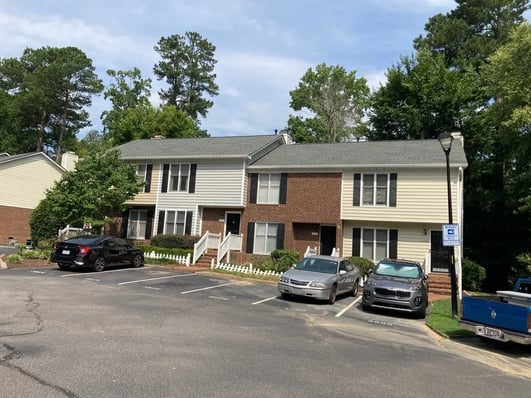
The condition of your roof directly influences your property's value. An old or deteriorating roof gives buyers a reason to negotiate the price down, while a roof that follows HOA-approved materials and guidelines helps maintain, or even raise, your home's value. A well-kept, compliant roof signals to buyers that the home has been cared for and is unlikely to hit them with a big roofing bill soon. Appraisers factor roof condition and quality into their valuation, and buyers tend to view an HOA-compliant home more favorably, since it reflects a commitment to keeping up with the community's standards.
Living under strict HOA guidelines does not mean giving up your personal style. By understanding the rules, getting approval before you start, and choosing a compliant material like architectural asphalt shingles, you protect your home's value and contribute to the look of the whole neighborhood. On Tops Roofing has worked with Raleigh-area homeowners and their HOAs since 1991, and a project manager is assigned to every job to keep the materials, the documentation, and the schedule on track. If you have an HOA roof project coming up, a free estimate is a good place to start.
FAQ
Do I need HOA approval to replace my roof?
In most HOA communities, yes, and you need it before the work begins. Approval typically goes through the architectural review committee, which checks your proposed material, color, and style against the community's standards. Check your CC&Rs to confirm what your association requires.
Who is responsible for getting HOA approval, me or my roofer?
The homeowner is. Because you belong to the association, the approval request is yours to submit. A good roofer will make it easy by providing the material specs, colors, and product documentation you need for the form, but the filing itself is your responsibility.
What does the HOA need for roof approval?
Usually a completed architectural change request form plus the shingle manufacturer, product line, and exact color, along with a color swatch or product brochure. Some committees also ask for your contractor's name and a project timeline. Your roofer can supply all the product details you need.
How long does HOA roof approval take?
It varies by community, from a few days to several weeks, depending on how often the architectural committee meets. Start the approval process early so it does not hold up your installation, and never begin work before you have the written go-ahead.
What happens if I replace my roof without HOA approval?
You risk fines, and in some cases the HOA can require you to redo the roof to meet the guidelines at your own expense. The cost and hassle of fixing a non-compliant roof far outweigh the short wait for approval.