Roof replacement
A cedar shake roof replacement, from tear-off to install. Learn the process, lifespan, maintenance, and how cedar holds up in North Carolina humidity.

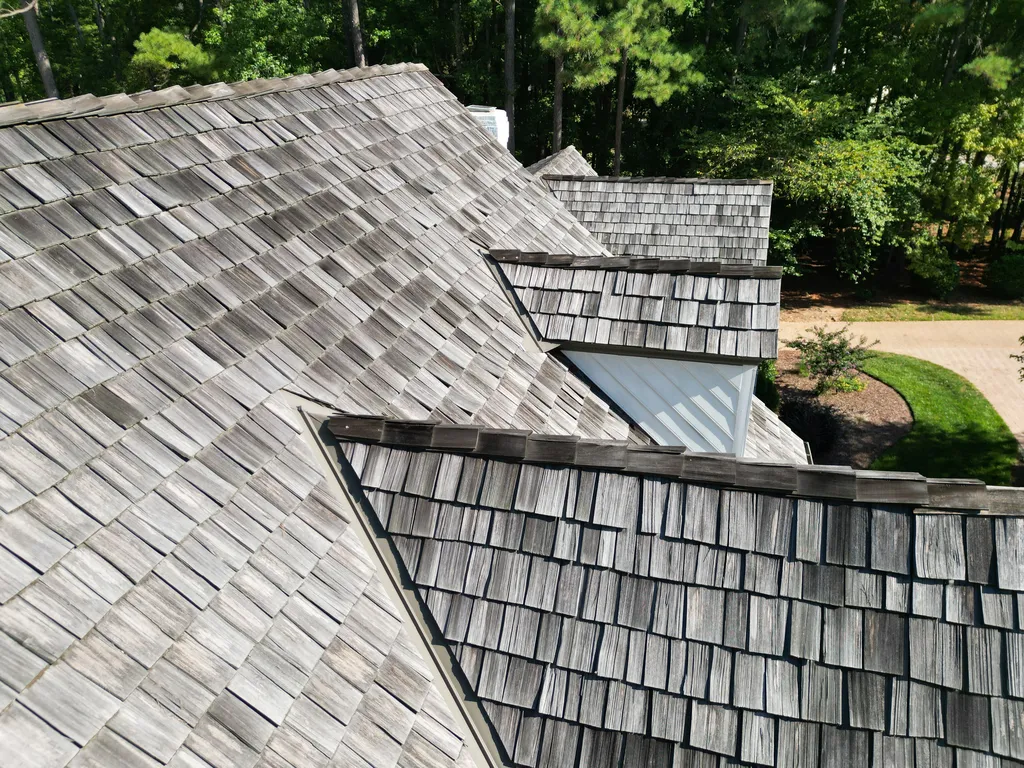
What is involved in a cedar shake roof replacement?
A cedar shake roof replacement means tearing off the old roof, repairing any damaged decking, and installing cedar shingles over fresh underlayment with proper flashing and ventilation. Prized for its natural beauty, cedar performs best in dry, moderate climates, and while it can work in humid North Carolina, it is a higher-maintenance choice here.
Key takeaways
- Cedar shake is a natural-wood roof with a rustic, high-end look.
- Its natural oils resist rot and insects better than other woods.
- A replacement means tear-off, decking repair, underlayment, flashing, and install.
- It lasts longest, 40 years or more, in dry, moderate climates.
- NC humidity is hard on cedar, so it needs extra upkeep here.
Cedar shake has been adorning homes for centuries, and its rustic charm and natural beauty still make it one of the most distinctive roofs you can put on a house. At On Tops Roofing we specialize in asphalt and metal and do not install cedar, but we get plenty of questions about it, so this guide is here to help homeowners understand what cedar shake is, why people choose it, and what a replacement involves.
- What cedar shake is
- Advantages
- Why cedar
- The replacement process
- Cedar in the NC climate
- Lifespan and care
- Hiring a contractor
- FAQ
What Cedar Shake Is
Cedar shake roofing is made from wooden shingles split from cedar logs. The hand-split texture gives each shake a distinct, rugged character that adds warmth to a home, which is why cedar is so often tied to traditional and classic architectural styles. Beyond the looks, cedar holds up well against the elements, and with proper care a cedar roof can last for decades, making it a real investment in both beauty and protection.
Advantages
Cedar's biggest draw is its natural beauty. The variation in grain and color gives a home a warm, timeless look that sets it apart, and it works on everything from traditional cottages to modern builds. As the wood ages it takes on a patina, the natural change in color and texture that wood develops over the years, weathering to a silvery gray that many homeowners come to love for the character it adds.
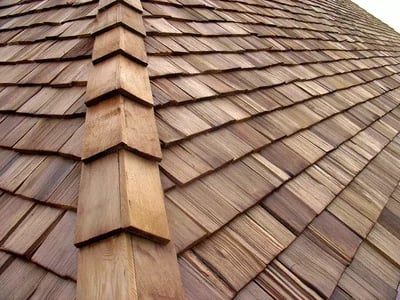
The benefits go beyond appearance. Cedar is a renewable, biodegradable material with a naturally eco-friendly edge, and it is a good insulator that helps keep a home cooler in summer and warmer in winter. The wood also dampens outside noise like rain and hail for a quieter interior, and its standout look tends to appeal to buyers, which can lift a home's resale value. Just keep in mind that a few of these advantages, especially durability and longevity, depend heavily on climate, which we will come back to.
Why Cedar
Among wood roofing options, cedar stands out for a practical reason. It contains natural oils that act as preservatives, making it more resistant to rot, decay, and insects than most other woods. Those same oils, along with cedar's natural insulating properties, are why it has been the go-to wood roofing material for generations, and being a renewable, sustainable resource is a nice bonus on top of that.
The Replacement Process
A cedar shake replacement takes more than laying down new shingles, and understanding the steps shows why a skilled installer matters so much. The work starts with a full tear-off of the old roof, after which the crew inspects the decking underneath and replaces any boards that are damaged or rotted.
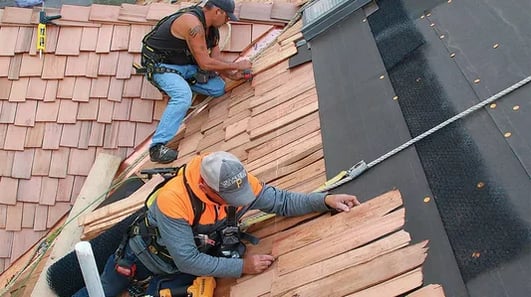
From there, a quality underlayment goes down as a water-resistant layer over the decking, with flashing added at vulnerable spots like chimneys, valleys, and skylights to direct water away. Proper ventilation is built in too, since airflow is what lets cedar dry out and avoid trapped moisture. Only then are the shakes installed, each one aligned and fastened correctly so the roof sheds water and lasts. With cedar especially, that careful, experienced installation is the difference between a roof that reaches its full lifespan and one that fails early.
Cedar in the NC Climate
Climate is the single biggest factor in whether cedar is right for your home. Cedar performs best in dry, moderate climates, where the shakes can dry out between rains and a well-maintained roof can last 40 years or more. The drier and more temperate the climate, the slower cedar deteriorates.
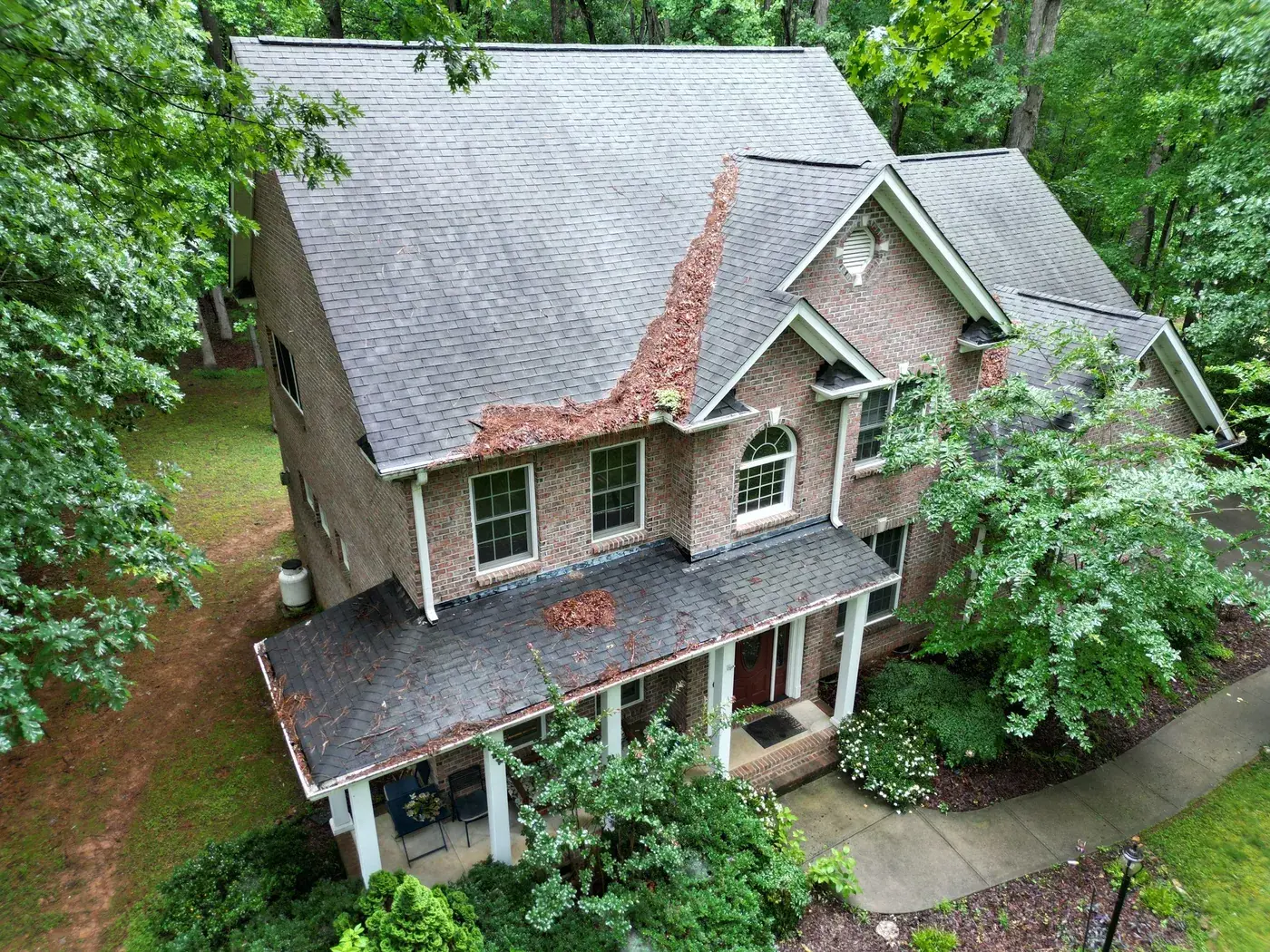
North Carolina is the opposite kind of environment. Our long stretches of summer humidity mean cedar shakes often do not fully dry out, and that trapped moisture promotes mold, mildew, moss, and faster decay. In wet, humid regions, cedar roofs can start showing real wear in as little as 15 years, rather than the 30 to 50 you might see in an ideal climate, and the tree cover and steady pine debris common around the Triangle make it worse by holding moisture against the wood. None of this rules cedar out for an NC home, but it does make it a higher-maintenance choice here than almost anywhere else. If you are weighing whether cedar is the right call for your specific home, our guide on cedar shake roofs in North Carolina digs into that decision in more detail.
Lifespan and Care
A well-maintained cedar shake roof can last anywhere from 30 to 50 years, though as noted, the humid NC climate tends to pull that number down without diligent upkeep. Climate, sun exposure, and consistent maintenance are the biggest factors, and cedar simply asks for more attention than asphalt or metal.
A good rhythm is straightforward once you know it. A couple of times a year, ideally in spring and fall, clear the roof and gutters of leaves, pine straw, and debris so moisture does not sit against the wood, and do it more often if your yard is heavily shaded. Once a year, have the roof inspected for cracked, curled, or missing shakes and for early signs of mold or moss, and deal with anything you find before it spreads. Every few years it is worth having the roof professionally cleaned and asking a pro whether a preservative treatment makes sense, keeping in mind that in humid climates those treatments have to be chosen carefully so they do not seal moisture into the wood. As a longer-term measure, zinc or copper strips installed near the ridge release trace amounts of metal in the rain that help hold back moss over time. Stay on top of that routine and a cedar roof rewards you with decades of one-of-a-kind curb appeal, but let it slide in our climate and the wood breaks down quickly.
Hiring a Contractor
A common question is whether a contractor needs a special license to install cedar. In most places, including North Carolina, there is no separate cedar license, because cedar falls under the same standard roofing and general contractor licensing as any other roof. The licensing side is nothing unusual.
What really sets cedar installers apart is experience and certification. Cedar is installed differently than asphalt, and not every roofer works with it, so look for a contractor with a genuine track record on cedar roofs. The credential to ask about is the Cedar Shake and Shingle Bureau Certified Installer designation, which signals specialized training in cedar materials and techniques, and it is also smart to confirm any manufacturer training tied to the warranty on the product you choose. Because cedar is a specialty material, hiring someone who installs it regularly matters even more than it does with common roofing types.
FAQ
How long does a cedar shake roof last?
In a dry, moderate climate a well-maintained cedar roof can last 40 years or more, within a general range of 30 to 50. In humid regions like North Carolina, wear can show up much sooner, sometimes around 15 years, without diligent maintenance.
Is cedar shake a good choice in North Carolina?
It can work, but it is high-maintenance here. NC's humidity keeps cedar damp, which invites mold, moss, and decay, so it needs more upkeep than in a drier climate. Many NC homeowners choose asphalt or metal instead, or a synthetic shake that mimics the look.
Do you need a special license to install a cedar roof?
No. Cedar falls under the same standard roofing and general contractor licensing as any other roof. What matters more is hiring someone with real cedar experience, ideally a Cedar Shake and Shingle Bureau Certified Installer.
How often does a cedar roof need maintenance?
Clear the roof and gutters of debris at least twice a year, have it professionally inspected once a year, and have it cleaned and evaluated for treatment every few years. In NC's humidity that routine is essential to keeping the wood from breaking down early.
What does a cedar shake replacement involve?
Tearing off the old roof, repairing any damaged decking, installing water-resistant underlayment and flashing, building in proper ventilation, and carefully placing and fastening the cedar shakes. Skilled, cedar-experienced installation is critical to how long the roof lasts.