Asphalt Roofing
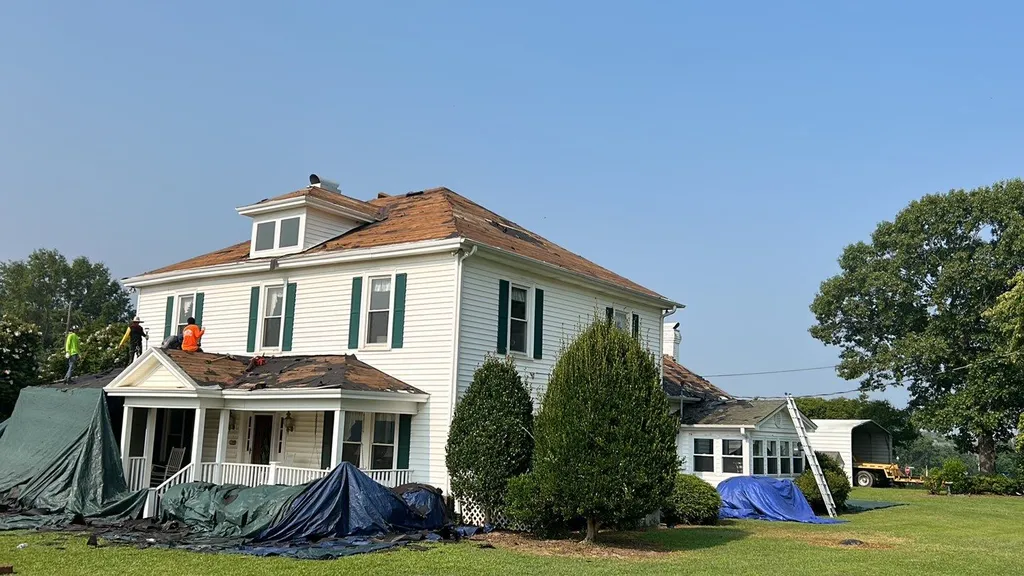
Have a roof replacement coming up? Follow these 6 steps to protect your attic, yard, vehicles, and home, plus how long an NC roof replacement takes.

How do you protect your home during a roof replacement?
To protect your home during a roof replacement, cover stored items in the attic, clear and tarp your patio, deck, and garden, move your vehicles out of the driveway, take down wall decor that vibrations could shake loose, and mow your lawn so nail cleanup is easier. A little preparation keeps your belongings safe and the project moving.
Key takeaways:
- Roof work sends dust and debris into the attic, so cover anything stored up there.
- Move or tarp patio furniture, grills, potted plants, and garden decor.
- Park vehicles on the street so the crew has room and your car stays safe.
- Hammering vibrations can knock pictures off walls, so take down anything precarious.
- Most NC replacements take a single day, with larger homes running two to three.
From the outside, a roof replacement looks simple: pull off the old shingles and put on new ones. The reality has more moving parts, and a bit of preparation goes a long way toward protecting your property and belongings. After more than 15,000 roofs across the Triangle, we have learned exactly which steps make the day go smoothly, and we are glad to share them.
Keep reading to learn:
6 Steps to Protect Your Home
Cover Your Attic
Expect some mess during a roof replacement, because dust, debris, and even small wood splinters can work their way into the attic if it is not shielded. Covering what you store up there is a smart, simple way to avoid the cleanup later.
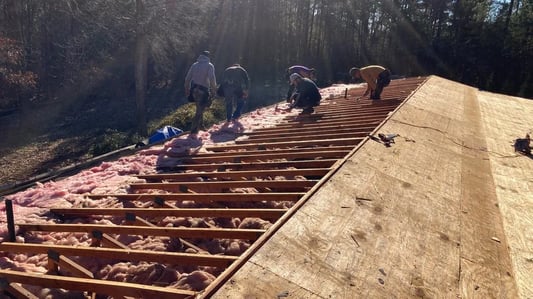
You have a couple of easy options here: drape old sheets or drop cloths over your belongings, or lay down tarps for heavier protection. When the job is done, you simply gather up the debris-covered coverings and most of the cleanup is finished. If your attic is largely empty, you can skip the coverings altogether and just plan on a quick vacuum afterward to clear the dust.
Clear Your Patio and Deck
As the work moves along, debris tends to collect on patios and decks, so a few precautions go a long way toward protecting what is out there.
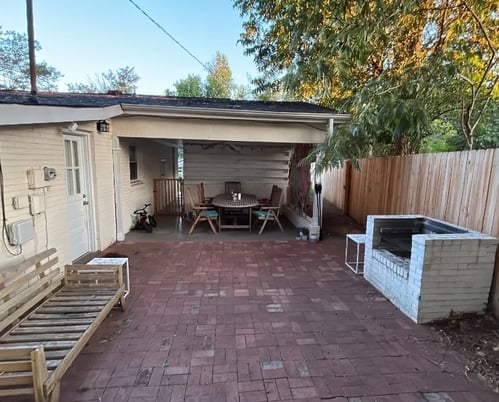
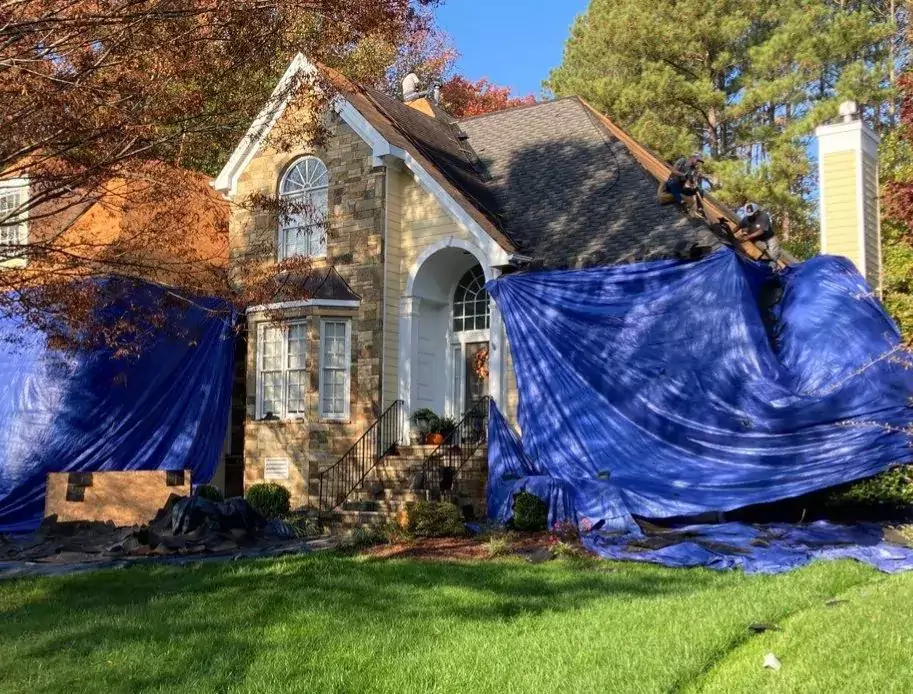
Where you can, move valuables off these areas to keep them clear of falling material, and for anything too big or awkward to relocate, tarps and sheets of plywood do a good job shielding patio furniture, potted plants, and grills. It also helps to ask your roofing contractor how they plan to protect what stays put, since sharing that information lets the crew spot the items near their work area and coordinate around them.
Tarp Your Garden
Your landscaping deserves the same care as the inside of your home, so protecting your garden and outdoor decor from debris and dust is worth a few minutes of prep.
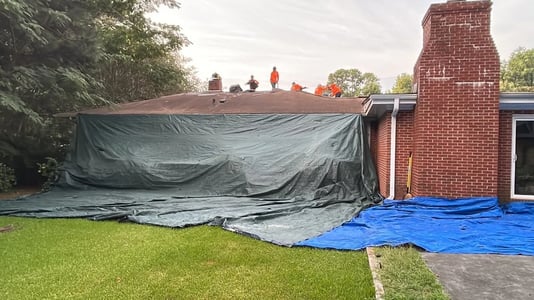
Cover vulnerable beds and plants with tarps or plastic sheeting to keep debris off them, and temporarily move hanging or potted plants out of the drop zone. It is also worth walking the yard for the smaller, breakable things that are easy to forget, like mosaic stepping stones, solar lights, statues, wind chimes, water fountains, and birdhouses. Tucking them somewhere safe until the work is finished keeps them from becoming casualties.
Move Your Vehicles
Moving your vehicles out of the garage and driveway makes the whole project run smoother for you and the crew, since parking on the street or a neighbor's driveway puts a safe buffer between your car and the work zone.
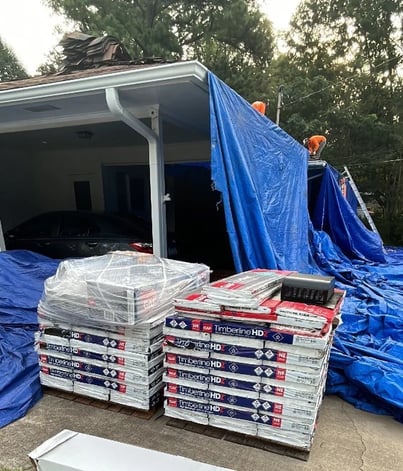
This does two things at once: it keeps your car clear of accidental scratches or dropped debris, and it gives the roofing trucks the room they need to load and unload shingles and debris without delays. One simple step protects both your vehicle and the schedule.
Remove Wall Decor
Expect some vibration from the hammering, hand-nailing, and power tools during the job, because those vibrations travel through your walls and can shake loose anything hanging that is not secure.
To protect your paintings, photos, and wall decorations, take down anything that looks precarious or prone to slipping before the work begins. It is a two-minute job that prevents a shattered frame and saves you the heartache of losing something you care about.
Mow Your Lawn
Your roofer will work to keep things tidy, but some debris always ends up on the ground around the house, which is why thorough nail cleanup matters so much.
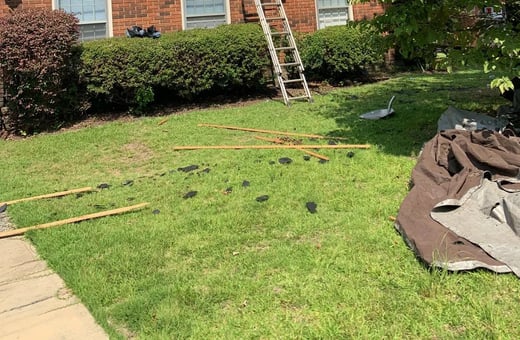
Our cleanup involves running a magnet over the property several times throughout the project, a job shared between the crew and the project manager, to catch nails and stray metal before they end up in a tire or a bare foot. You can make every one of those passes more effective with one easy step: cut your grass short before the replacement begins, since nails are far easier to find and pick up in short grass than in tall.
How Long Does It Take to Replace a Roof?
With your home prepped, the next question is usually how long the work will take. The honest answer depends on the size of your home and the weather, but most jobs move quickly.
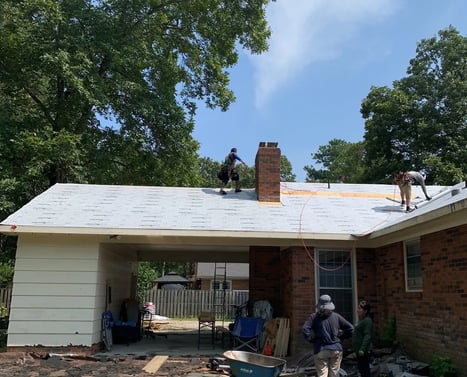
On average, a standard-sized home is a single-day replacement, while smaller homes can wrap up by mid-afternoon and larger ones may take two to three days to do right. North Carolina weather is the other big variable, since our pop-up summer thunderstorms can pause a crew mid-day, and a responsible roofer never leaves a roof open to the elements overnight. A good contractor builds that unpredictability into the schedule from the start.
To be safe, plan for one to two days when your routine might be affected. Crews and materials usually arrive early, around 6:30 or 7:00 AM, so the heaviest work gets done before the heat of a Triangle afternoon, which means having your vehicles and essentials out of the driveway and garage before then keeps you from getting blocked in when the dumpster and materials are delivered. On Tops Roofing has been protecting Raleigh-area homes through replacements since 1991, and because a project manager is assigned to every job, someone is always there to keep the day organized and your property looked after from start to finish.
FAQ
How long does a roof replacement take?
Most standard-sized homes are done in a single day, with smaller homes finishing by mid-afternoon and larger ones taking two to three days. Weather, especially NC's summer storms, can extend the timeline, so it is wise to plan for one to two days of disruption.
Do I need to be home during my roof replacement?
Not usually. As long as the crew has access to the driveway and yard and a way to reach you with questions, you can go about your day. Just be sure your vehicles are moved out before the early-morning material delivery.
Will a roof replacement damage things inside my house?
The main interior risk is vibration knocking items off the walls, so take down precarious pictures and decor beforehand. Dust can also drift into the attic, which is why covering anything stored up there is worth the few minutes it takes.
What about all the nails left in my yard?
A quality roofer cleans up thoroughly, with the crew and project manager running a magnet over the property several times throughout the project to collect nails and stray metal. Mowing the lawn short beforehand makes those passes even more effective.
How do I protect my landscaping during roof work?
Cover beds and shrubs with tarps or plastic sheeting, move potted and hanging plants out of the way, and relocate small decor like solar lights and stepping stones. Let your contractor know about anything delicate near the work area so they can coordinate around it.