Roofing contractor
Every successful roof replacement requires the leadership of a project manager. Here are the benefits that come with having someone on-site for your job.

What does a project manager do for a roof replacement?
A project manager runs your roof replacement from start to finish. They plan the job, pull permits, order and stage materials, lead the crew, keep the site safe, send you updates, and handle the cleanup. You get one person who owns the schedule, the budget, and the quality of the work.
Key takeaways
- A good project manager turns a one or two day roof job into one that runs without surprises.
- Their work covers four things: safety, planning, leading the crew, and protecting your property.
- Today they also handle permits and code, pull aerial measurements, and send you updates as the job goes.
- Hire a certified roofing company and a trained project manager comes with it.
A roof replacement is a big job, and most of what makes it go well comes down to one person: the project manager. This is who watches over the whole project, from the first measurement to the last nail. They keep the work on schedule and on budget, line up permits and materials, lead the crew, and keep you in the loop the whole way.
On Tops Roofing has been working on roofs across the Triangle and the rest of North Carolina since 1991. We put a project manager on every replacement for one reason. It gives homeowners the confidence that their job is organized and handled right.
Below is what a project manager actually does on your roof, along with the tools and habits a good one uses today.
- Keeping the crew safe
- Planning the project
- Directing the team
- Protecting your property
- How On Tops mirrors these best practices
- Frequently asked questions
Safety First
Most roof replacements take a day or two. That speed can make the job look simpler than it is. Tearing off and replacing a roof is real construction work, with all the risk that comes from working high up and running power tools.

Common safety hazards on a roof replacement
- Heights. On some homes the crew works more than 40 feet up at the ridge.
- Tools. Circular saws, shears, hammers, nail guns, and razor knives are all part of the job.
- Heat. A lot of roofing happens in summer, when the roof surface runs much hotter than the ground. In a North Carolina July, that adds up fast.
So how does a project manager help with safety?
On jobs with an on-site project manager, that person usually runs the safety meetings with the crew. OSHA requires roofers to spot and document hazards on every job, and a trained project manager makes sure that happens. Most roofs share the same risks, but some houses have a problem worth flagging in the safety meeting.

Project managers get more safety training than the rest of the crew, especially on catching hazards early. For example, at On Tops Roofing our project managers carry OSHA 30 training that teaches them safety best practices on job sites. The project manager is also usually on the ground, where it is easier to see a problem coming. When safety is one person's job, it gets the attention it should.
Heat safety keeps getting more attention, not less. OSHA has a proposed federal heat rule working through review that would set clear expectations for water, rest, shade, and easing new workers into the heat. Good project managers already plan around it. They start early, rotate breaks, and watch the crew for signs of heat trouble. In our climate, that protects both the crew and the quality of your roof.
Project Planning
Good planning is where a project manager earns their keep. They work out how long your roof will take and match the right people to each part of the job, from carpentry to shingle work to cleanup.
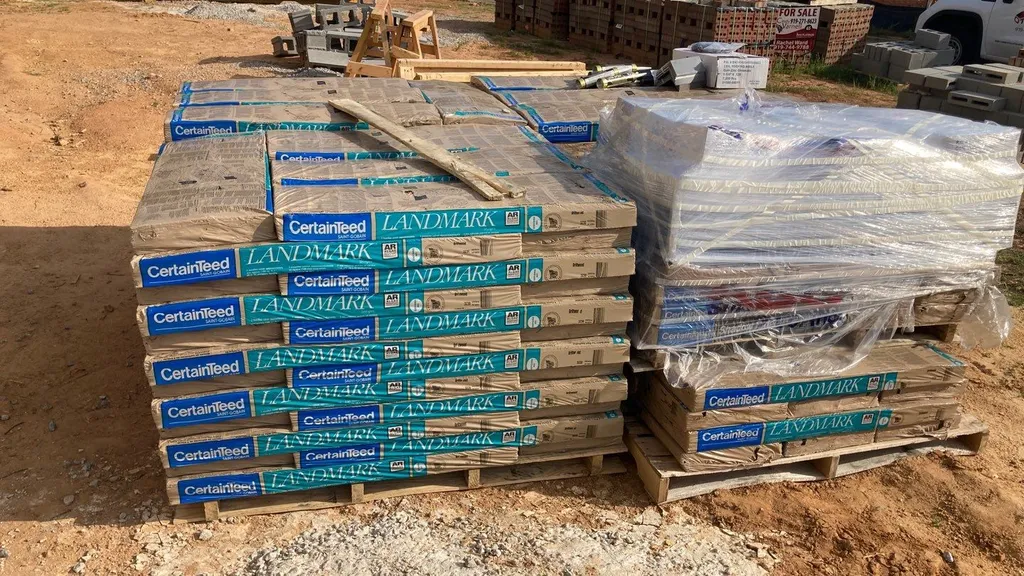
They also figure out exactly what materials the job needs and when each one should show up. Decking, shingles, gutters, fascia, and everything else gets ordered so it is on-site the moment that stage of work starts. Same goes for any equipment the crew needs. Plan it right and the job stays on schedule and on budget.
Measurement and documentation tools
Planning looks different than it used to. Instead of climbing up with a tape measure, project managers often pull aerial or satellite measurements from a service like EagleView to get roof size, pitch, and material counts. Drones and phone cameras document the existing roof and any problem spots. A lot of companies run the whole job through software, so the estimate, the material order, the schedule, and the photos all live in one place. For you, that means fewer surprises and a clear record of your project.
Permits, code, and HOA approvals
Here is something a lot of homeowners do not know: most roof replacements in North Carolina do not need a permit. A standard reroof on a single-family home usually does not require one. Some jobs do, though, like work that involves structural repairs to the roof deck, and the rules can vary by city and county. That is where a project manager who knows the local requirements helps. They know when a permit is actually required and pull one when the job calls for it, so you stay compliant without paying for paperwork you do not need. The same goes for HOA approvals, where shingle color or style sometimes has to be signed off first.
Weather and scheduling
North Carolina weather makes scheduling tricky, especially in spring and summer. The forecast here is famously unreliable. A week can show rain every day and stay dry the whole time, then the next stretch of clear days turns into a downpour by lunch. Summer adds pop-up afternoon thunderstorms, and the late season brings hurricanes and tropical systems off the coast. A project manager watches the radar, not just the weekly forecast, and builds the schedule around it. They sequence the work so your house is never left open overnight, and they move the job when the weather actually calls for it instead of guessing off a forecast that may not hold.
Directing the Team
Getting the right crew on your roof is a big part of the job, and it falls to the project manager. They make sure the people on-site have the skills your job needs, understand the scope, and work in the right order from tear-off to final inspection.
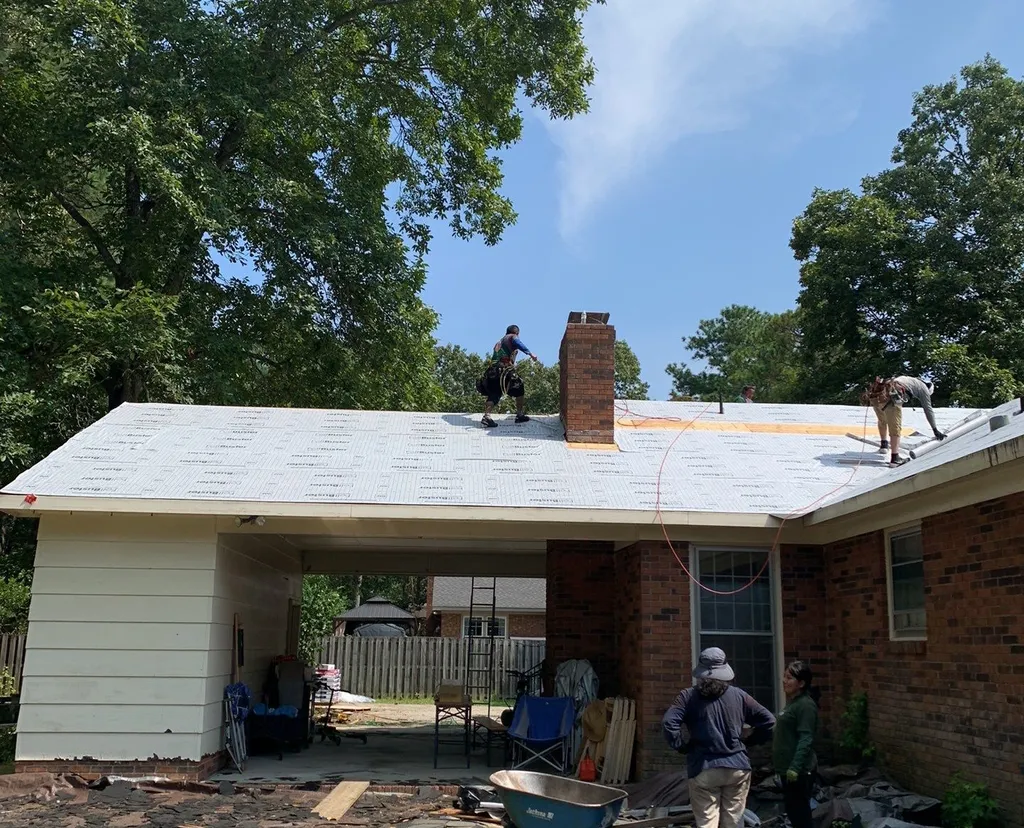
Once the crew is up there, the project manager calls the shots on what happens when and keeps everyone on schedule. They check the work as it goes to make sure it holds up, and they step in when something unexpected comes up. That kind of oversight keeps the job moving and keeps it off your plate.
You get one point of contact
One of the best parts of having a project manager is simple. You always know who to call. No chasing a salesperson, no wondering who is in charge on the roof. One person answers for the whole job. Most will send you updates as the work goes, usually a quick text with photos showing what got done and what is next. That steady contact is what makes the whole thing feel handled.
Quality checks along the way
A good project manager does not wait until the end to check the work. They look it over at the points that matter: after tear-off when the deck is exposed, during underlayment and flashing, and again at the finish. Then they walk a final punch list to catch anything left. That is how small issues get fixed before they turn into callbacks or leaks.
Property Protection
A roof replacement starts and ends with protecting your property, and this part matters more than people expect. The area around your house gets messy during the work. Flashing, felt, shingles, nails, and other debris all come off the roof. A good project manager stays on top of protection and cleanup at every stage.
Before the work starts
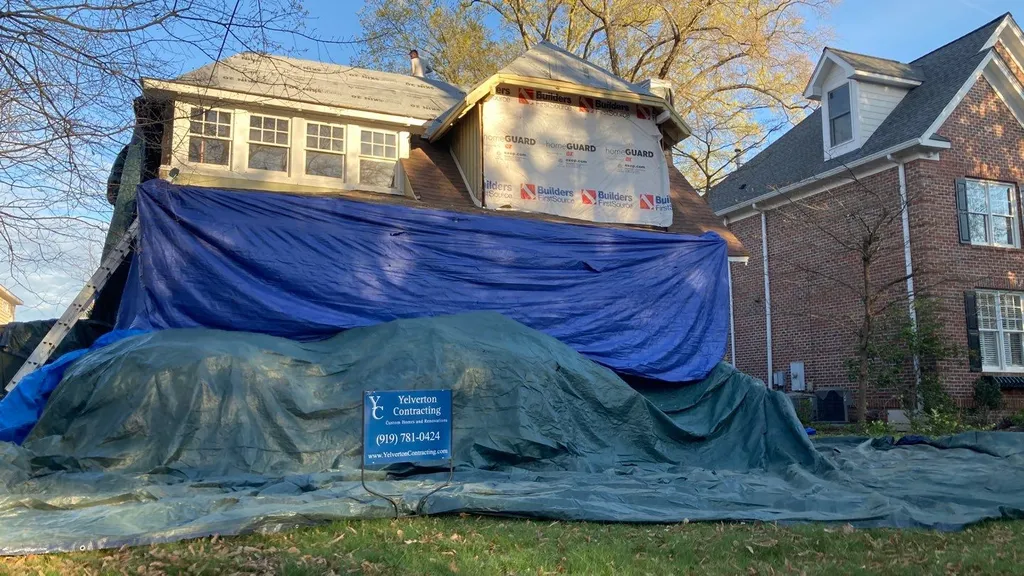
Your project manager should walk the property with you before the crew arrives. They will go over where the crew and dumpster will sit, where materials get dropped, and what you can do to get ready. It is also when they plan access and point out anything fragile that needs extra care. Some of the prep is up to you, like moving your car and taking down wall hangings, but they will make sure you know what to do. Debris can land on your patio and deck, so they will have you cover patio furniture, potted plants, and the grill with tarps or plywood first. They will also suggest covering landscaping to keep dust and debris off, and moving any hanging or potted plants that could get hit.
After the roof is done
When the work wraps, the project manager has the crew run a backpack blower to clear debris and loose granules that came off the shingles. They will also clean out your gutters and window seals, by hand or with a blower, to get rid of stray debris and nails.
The final walk-through
The last step is a walk-through by the project manager. They go over your yard and landscaping to find anything missed the first time. To catch stray nails, they use two magnets: a small handheld one for flower beds and shrubs, and a large rolling one for the rest of the yard. This is the part that leaves your property clean and safe when the job is done.
How On Tops Roofing Mirrors These Best Practices
So far we have discussed best practices for roofing project management. To give you a concrete example, we can talk about what we do. On Tops Roofing has been replacing roofs in North Carolina since 1991. That is over 35 years and more than 15,000 jobs, with a great track record of safety and installation quality.
Here is what that looks like on a job. Every replacement we run gets its own project manager, not a salesperson who hands you off after the contract is signed. Our project managers hold OSHA 30 training, and our crews are trained by the manufacturers we install on the right techniques for each product. While the work is going, we follow set procedures to keep you updated on progress, and we talk with your neighbors when we need to so the job does not turn into a disturbance. The whole time, the project manager monitors install quality and documents the job, so you end up with a record of the work and the confidence it was done right.
So, What's Next?
Every good roofing job needs an organized project manager. So how do you make sure you get one? Hire a certified roofing company. Certified contractors have put in years of training and thousands of installs and repairs, and they have the record to back it up. If the company is certified, so is the project manager running your roof.
On Tops Roofing has been helping homeowners across the Triangle and the rest of North Carolina since 1991. Whatever your roof needs, we're on it.
Frequently Asked Questions
Does every roof replacement need a project manager?
If you want it done right, yes. A roof replacement has real safety risks and a lot of moving parts: materials, crew, weather, permits, and cleanup. The project manager keeps all of it on track, on schedule, and on budget. The best roofing companies put one on every job.
Who will my project manager be?
With a good roofing company, your project manager is a trained employee who runs your job from start to finish. For example, at On Tops our project managers carry OSHA 30 training and many have been with the company for years, so the person on your roof knows what good work looks like.
How will I stay updated during my roof replacement?
Your project manager is your one point of contact and usually checks in as the work goes, often a quick daily text with photos of what got done and what is next. If they need anything from you, it comes from one person instead of a runaround.
Does having a project manager cost extra?
With most established roofers, project management is just part of how the job gets done, not a separate charge. What it saves you in delays, mistakes, and stress usually more than covers it.
What should I ask a roofer about how they run a job?
Ask who your point of contact is, how they will keep you updated, what safety training the crew has, whether they are manufacturer-certified, and how they handle cleanup and the final inspection. Straight answers are a good sign the company runs organized jobs.