Asphalt Roofing
A cheap roofing contractor can mean cut corners, skipped components, reused flashing, and no real warranty. Know the risks before taking the low bid.

What are the risks of hiring a cheap roofing contractor?
Hiring a cheap roofing contractor can mean cut corners like too few nails or swapped-out materials, skipped components such as ice and water shield, reused flashing, no license or insurance, and a warranty that does not hold up. Each one shortens your roof's life, and the low bid often ends up costing more than a fair one.
Key takeaways:
- A low price usually comes from somewhere, whether cheaper materials, fewer nails, or a less-experienced crew.
- Budget roofers often skip hidden essentials like ice and water shield and proper flashing.
- No license or insurance can leave you liable if someone is hurt or your home is damaged.
- A warranty only helps if the company stands behind it and the install does not void your coverage.
- The cheapest roof frequently becomes the most expensive once you pay to fix it.
If you are weighing a budget-friendly roofing quote, it is worth looking closely before you sign. A lower price is not a bad thing on its own, but the skill of the crew matters just as much as the materials on the estimate. A company can promise the very same shingles as a pricier competitor and still hand you a very different roof.
In three decades of roofing around Raleigh, we have repaired plenty of roofs that failed early because they were built with cheap materials and rushed work. A roof is a major investment, and the lowest bid is rarely the place to cut. None of this means a budget contractor will automatically do bad work, but a handful of real risks come with the territory, and they are worth understanding first.
- Cutting corners
- Skipped components
- Reused flashing
- A shorter lifespan
- No license or insurance
- A weak warranty
- Property damage
- Paying more later
- FAQ
Cutting Corners
To come in under a reputable roofer's price, a budget contractor usually has to give something up, and more often than not it is quality. Those savings tend to hide in places you would not notice until the roof starts having problems.
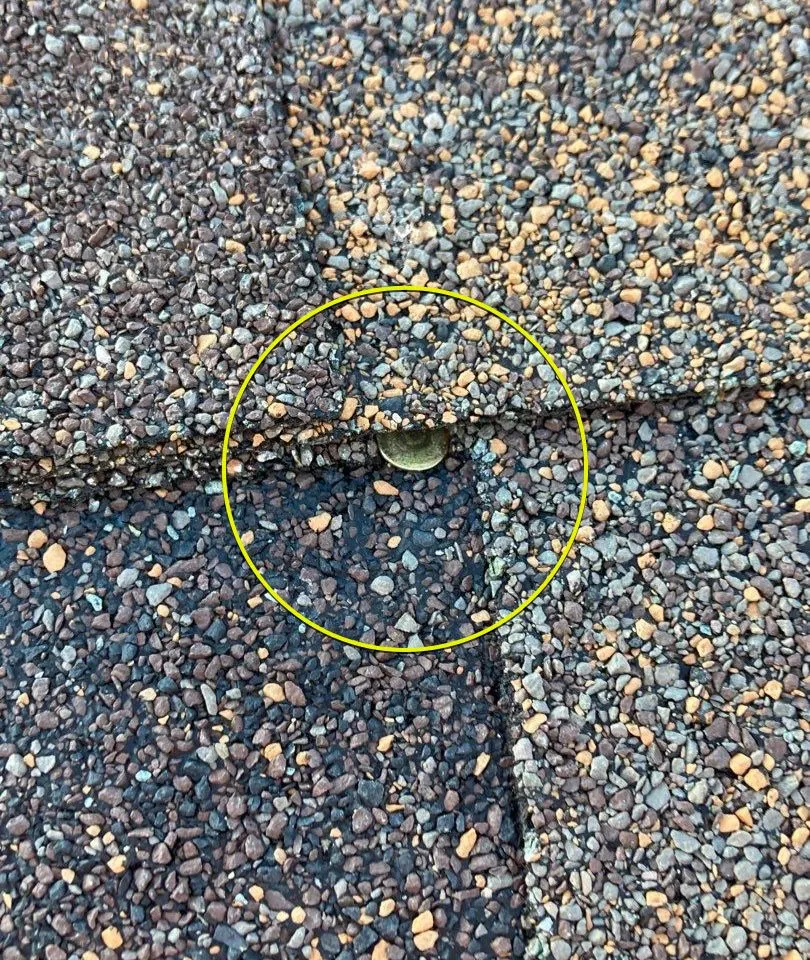
One common move is a quiet swap of materials, trading the premium shingles you chose for cheaper look-alikes that pad the contractor's margin. Another is using too few nails per shingle; most manufacturers require at least six to honor the warranty, so cutting that number speeds up the job while weakening the roof and putting your coverage at risk. And to keep labor costs down, some budget crews lean on inexperienced installers, which tends to surface later as leaks and other workmanship issues. Your best protection is a detailed written estimate: if it spells out the exact materials and methods, you know what you are getting, and if it stays vague, take that as a warning.
Skipped Components
A good roof is a system, not just a layer of shingles, and some of its most important parts are the ones you never see. That is exactly why a cut-rate contractor can leave them out to shave the price.
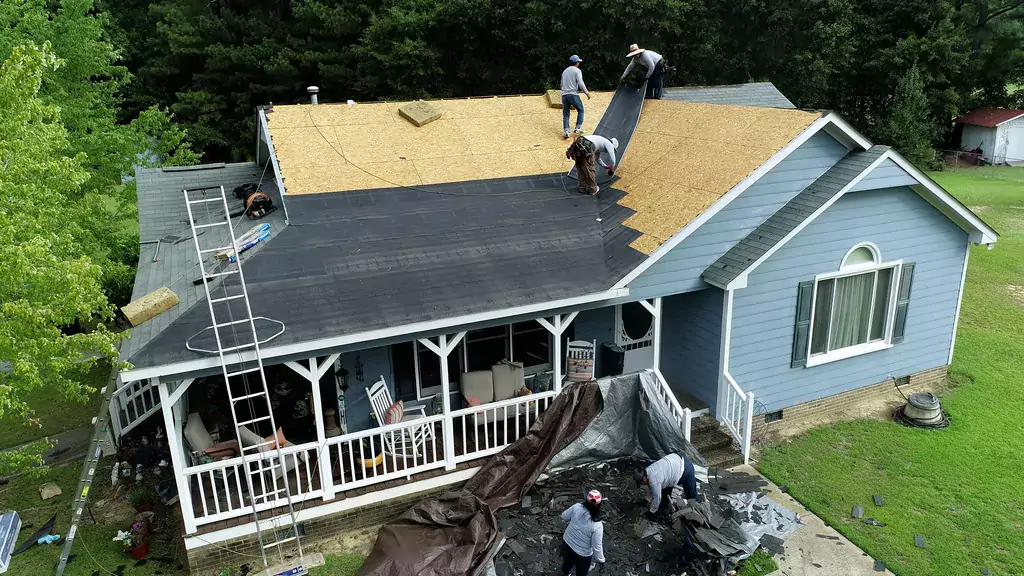
Ice and water shield is a frequent casualty. This rubberized membrane seals the most vulnerable areas, like valleys, against wind-driven rain and ice dams, so leaving it off makes the roof far more likely to leak and wear out early. Underlayment and proper flashing details often get shortchanged the same way. Because none of these are visible once the shingles are on, a corner-cutting roofer feels safe skipping them, and you have no way to spot the gap from the ground. It is one more reason to hire someone who installs the complete system rather than just the parts that show.
Reused Flashing
Flashing is the metal that seals the seams where your roof meets walls, chimneys, and corners, and replacing it well takes genuine skill. Every roof has its own tricky intersections that need custom work.
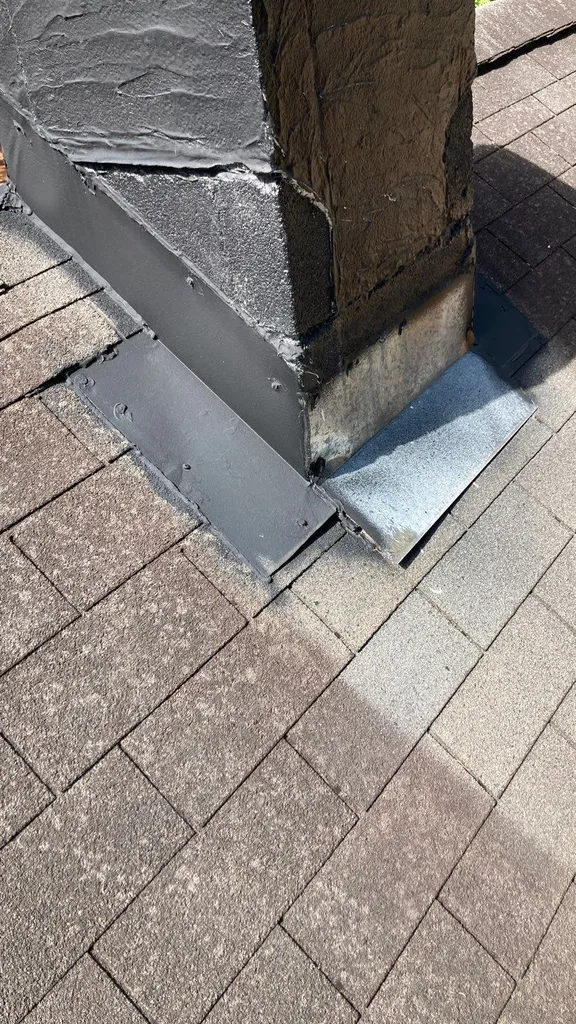
Rather than do that work, a budget roofer may simply reuse the old flashing from your previous roof. It saves them time, but it leaves you with worn metal that was already near the end of its life, so the seal tends to fail again before long. On a quality replacement, flashing is replaced along with the shingles, not carried over from the roof you are tearing off.
A Shorter Lifespan
Every one of these shortcuts leads to the same place: a roof that wears out before it should. Cheaper materials are simply less durable, so they age faster and can force a replacement years ahead of schedule.
Materials are only half the equation, though. Even top-tier shingles will fail early if a rushed crew installs them with the wrong techniques. A roof reaches its full lifespan only when quality materials and skilled installation come together, which is why an early failure is so often the hidden cost of the cheapest bid.
No License or Insurance
Some contractors keep their prices low by skipping the basics of running a legitimate business, including proper insurance and any license the work requires. That gap quietly becomes your problem if anything goes wrong.
If an uninsured worker is hurt on your property, or a crew damages your home, you can end up on the hook for it. A licensed, insured roofer charges a little more partly because that coverage costs them more to carry, and that same coverage is what protects you. Before any work starts, ask for proof of insurance and confirm whatever license your project calls for.
A Weak Warranty
A warranty is only as good as the company standing behind it. Budget contractors often provide little or no workmanship warranty, and a company competing on price alone may not even be in business in a few years to make good on one.
There is a second catch. Manufacturers honor their material warranties only when the roof is installed to their specifications, so the very shortcuts that lower your price, such as too few nails or skipped components, can quietly void the coverage you were counting on. It is entirely possible to end up with no workmanship warranty and no material warranty, which means any future problem comes straight out of your pocket.
Property Damage
A roof replacement is a messy job, and a careful contractor plans around that to protect your home. A crew working as fast and cheap as possible tends to skip those steps.
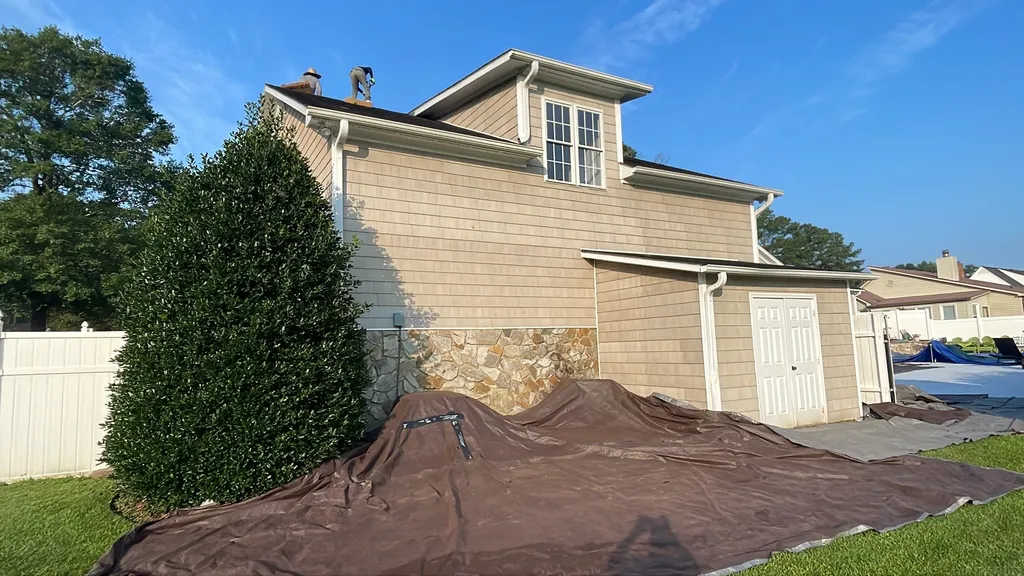
As the old roof comes off, debris rains down onto patios, decks, and landscaping. A quality roofer moves furniture, potted plants, and valuables out of the way, lays tarps to catch the falling material, and runs a magnet over the property afterward to pick up stray nails before they find a tire or a bare foot. A crew chasing speed and a rock-bottom price is far more likely to leave the protection and cleanup undone, which leaves the mess, and the risk, with you.
Paying More Later
Add these risks up and a clear pattern appears: the cheapest bid often turns into the most expensive roof. Early leaks, rotted decking, a voided warranty, and a replacement that arrives years too soon all cost far more than the gap between a low bid and a fair one. Paying a reasonable price for skilled work and a complete roofing system is simply what protects the investment over time.
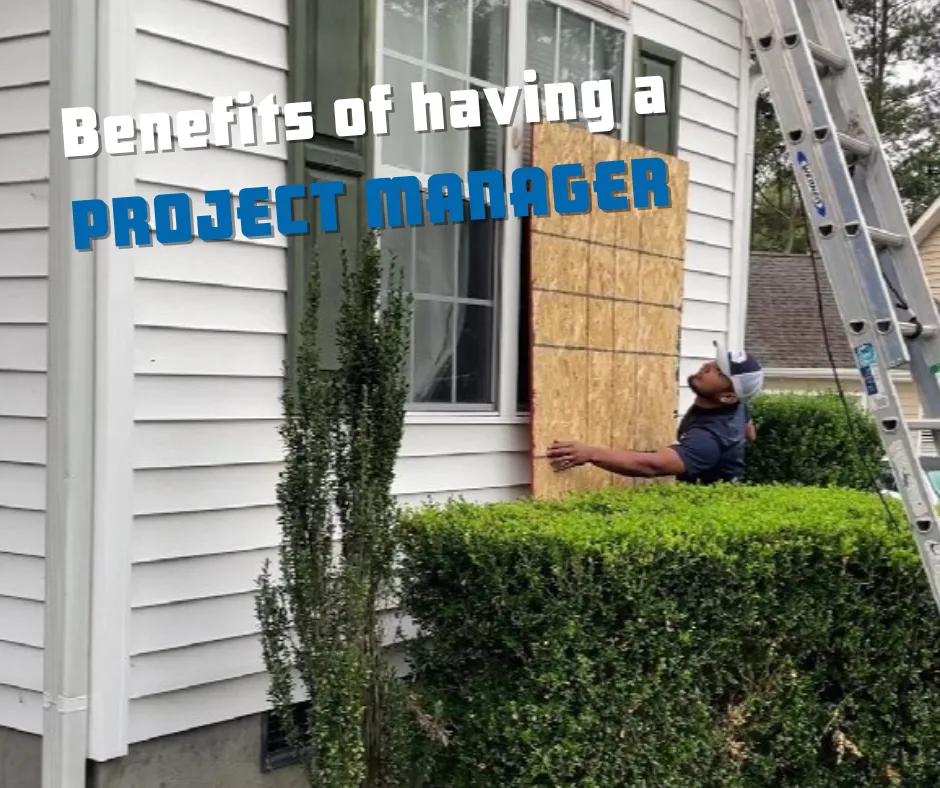
That is the standard we hold ourselves to. On Tops Roofing has delivered quality roof replacements around Raleigh since 1991, we put a project manager on every job so the work is supervised rather than rushed, and we back our installations with up to a 10-year workmanship warranty. If you want to hold a budget quote up against work you can rely on, a free estimate is a no-pressure way to see the difference for yourself.
FAQ
Is a cheap roofing quote always a bad sign?
Not always, but it is worth a closer look. A lower price can come from cheaper materials, fewer nails, skipped components, or a less-experienced crew, so compare the details of each estimate instead of just the bottom-line number. A fair quote with a clear scope often beats the lowest bid.
How can I tell what a cheap contractor is leaving out?
Read the written estimate carefully. Look for the exact shingle brand and line, the nailing standard, included components like ice and water shield and underlayment, flashing replacement, proof of license and insurance, and the warranty. Vague or missing details are the red flag.
Why does a cheap roof end up costing more?
Because the shortcuts lead to early leaks, rotted decking, voided warranties, and a roof that needs replacing sooner than it should. Those repairs and the early replacement usually add up to far more than the original savings.
How many nails should be used per shingle?
Most manufacturers require at least six nails per shingle to honor their warranty, and more in high-wind areas. Using fewer is a common cost-cutting shortcut that weakens the roof and can void your coverage.
Should I check a roofer's license and insurance?
Yes. Confirm proof of insurance and any license your project requires before the work begins. If an uninsured crew is injured on your property or damages your home, you could be left liable, so this is one corner you never want cut.