Roofing contractor
How to use homeowner insurance for a storm-damaged roof, from the claim process and ACV vs RCV to supplementing your claim and avoiding deductible fraud.

How do you use insurance to replace a storm-damaged roof?
To use insurance for a storm-damaged roof, file a claim, meet the adjuster, and review your ACV or RCV payout. Then hire a roofer who can supplement the claim so every needed repair and code upgrade is covered, share your paperwork with them, and let them handle the work to your insurer's requirements.
Key takeaways
- File a claim, then an adjuster inspects your roof and your insurer issues an ACV or RCV payout.
- RCV pays in two parts, the ACV first and recoverable depreciation after the work is done.
- A roofer who supplements your claim gets missed repairs and code upgrades covered.
- Older roofs increasingly get ACV-only coverage, so check your policy.
- Sharing your estimate with your roofer keeps the scope right and avoids accidental fraud.
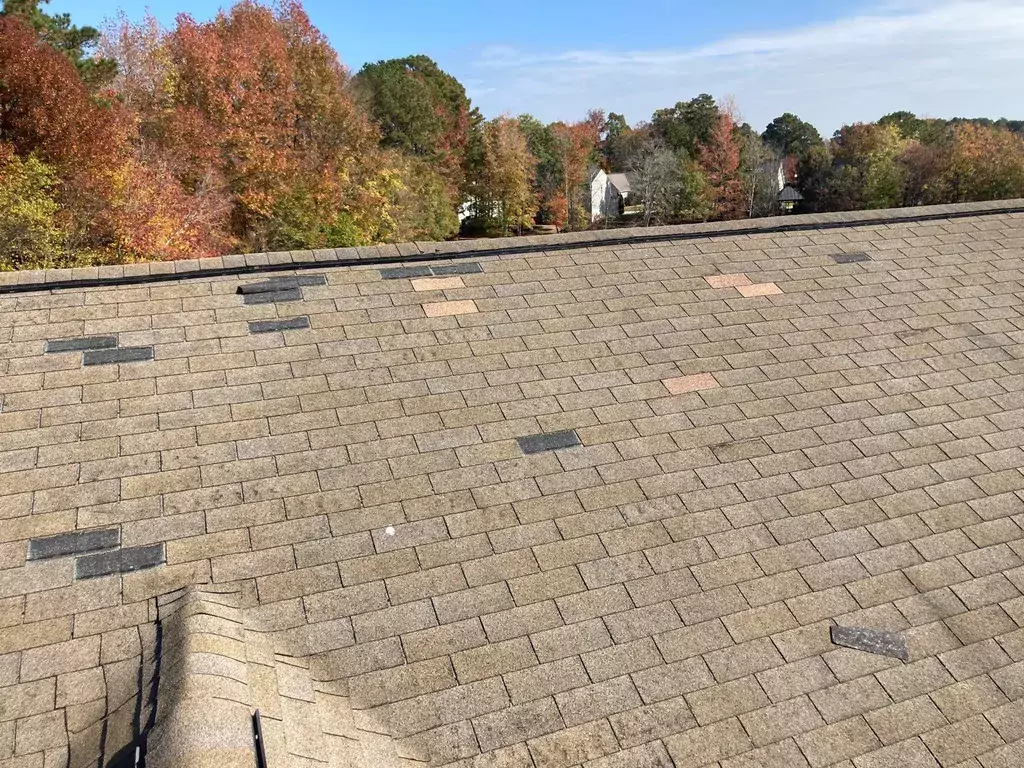
Severe storms cause all sorts of trouble, and your roof often bears the brunt. High winds lift older shingles, heavy rain exposes leaks, and flying debris can leave a whole section damaged. Fortunately, a solid homeowner's policy can cover the repair, and sometimes a full replacement. On Tops Roofing has guided thousands of Raleigh-area homeowners through insurance roof claims since 1991.
- How the claim process works
- Why you should supplement your claim
- Watch out for deductible games
- Share your estimate with your roofer
- FAQ
How the Claim Process Works
After a rough storm, you can file a claim with your homeowner's insurance to cover repairs. Once you provide the details, your insurer sends an adjuster to inspect the roof. Clear-cut damage, like a tree through the roof, is straightforward, while subtler storm damage can be harder to get approved, so it helps to talk with your agent directly before filing.
Once your claim is approved, your payout depends on your policy type. With an ACV, or Actual Cash Value, policy, you receive a check for the depreciated value of your roof today. With an RCV, or Replacement Cost Value, policy, your insurer covers the full replacement cost, paid in two parts. You first get the ACV amount, and the insurer holds back the depreciation, called recoverable depreciation, until the work is done. After you submit proof of completion, they release that second check, and if the work never happens, they do not pay the held-back portion.
One shift to know about in 2026 is that many insurers now move older roofs, often those past 10 to 15 years, from RCV to ACV at renewal, and some use roof payment schedules that pay less as a roof ages. Before a storm hits, check which coverage your roof carries.
Why You Should Supplement Your Claim
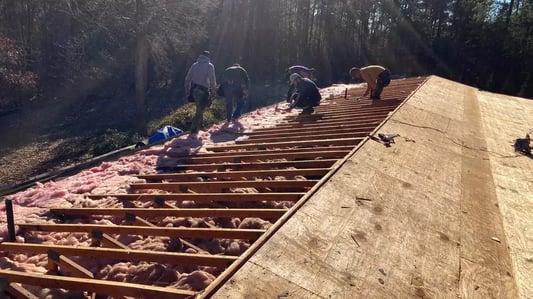
Once you have the insurance estimate, it is time to call a local roofer, and with an approved claim, there is no need to collect a stack of quotes. Insurers often push you toward multiple bids hoping one comes in below their estimate, and contractors usually bid low to win the job. As a homeowner, though, your goal is full compensation, not the lowest quote, so what matters more is finding a roofer who can supplement your claim.
Supplementing means your roof gets installed up to code. Any needed repairs left off the original claim get added and paid for, and any code upgrades your local department requires are covered too. An experienced roofer knows how to document these, which usually means a second check from your insurer.
Watch Out for Deductible Games
Be cautious of any roofer who offers to waive your deductible. It sounds like a deal, but hiding the deductible in the work estimate so your insurer approves an inflated bill is insurance fraud, and that money often funds cut corners and cheap materials. A trustworthy contractor bills the claim honestly and expects you to pay your deductible, plain and simple.
Share Your Estimate With Your Roofer
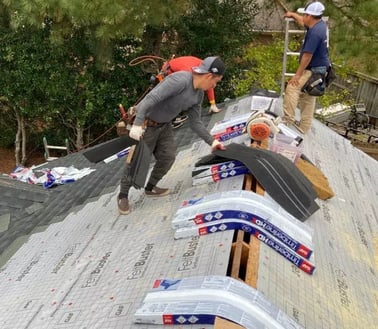
After your claim is approved, your contractor will ask to see the paperwork, and for good reason. Your estimate shows the ACV or RCV payout and a line-item list of what the adjuster found, which tells your roofer exactly what work to do. Sharing it keeps their quote aligned with your insurer's summary pricing, makes sure code upgrades get included, and protects you from accidentally committing fraud on an RCV policy by keeping every claimed repair in the scope of work. We go deeper on this in our post on showing your insurance estimate to a roofing contractor.
Getting Through Your Claim
With the claim approved and the right roofer on board, replacing a storm-damaged roof is far less stressful than it first seems. Your insurer may also ask for a roof inspection before approving the claim, so it helps to be ready for that step. On Tops Roofing has walked Raleigh-area homeowners through the insurance replacement process since 1991.
FAQ
Does homeowner's insurance cover a storm-damaged roof?
Usually, when the damage comes from a covered event like high winds, hail, or a fallen tree. You file a claim, an adjuster inspects the roof, and your insurer approves coverage based on the damage and your policy.
What is the difference between ACV and RCV?
An Actual Cash Value policy pays the depreciated value of your roof. A Replacement Cost Value policy covers the full cost to replace it, paid in two parts, the ACV upfront and the recoverable depreciation once the work is finished and documented.
What does it mean to supplement an insurance claim?
Supplementing adds repairs and code upgrades that the original claim missed, so your insurer pays for them and your roof is completed to code. A skilled roofer documents these items, which often results in a second check.
Should I pick the roofer with the lowest quote?
Not necessarily, since with an approved claim your goal is full, fair compensation and quality work, not the cheapest bid. A roofer who can supplement the claim and install to code serves you better than the lowest number.
Is it fraud if my roofer covers my deductible?
Yes, when they hide the deductible by inflating the estimate so your insurer pays it, which is insurance fraud and usually leads to cut corners. Expect to pay your deductible, and choose a contractor who bills the claim honestly.