Roof replacement
Should you repair or replace your roof? Weigh your roof age, damage, selling plans, and budget, and learn when a repair makes sense versus a replacement.


Should you repair or replace your roof?
Repair your roof when damage is small, isolated, and your roof still has years of life left. Lean toward a replacement when the roof is near the end of its lifespan, its decking is damaged, or repairs keep adding up. Your roof's age, how bad the damage is, your plans to sell, and your budget all shape the call.
Key takeaways
- A repair fits small, isolated damage on a roof that still has plenty of life left.
- A replacement makes sense for an aging roof, damaged decking, or repeated repairs.
- Four factors drive the decision, your roof's age, the damage, selling plans, and budget.
- Repairs cost less and go quickly, while a replacement resets the clock for decades.
- Every roof differs, so a trusted roofer should confirm the right call for yours.
One big decision a homeowner faces is whether to repair a roof or replace it. A repair costs less up front, yet for an older or heavily damaged roof, a full replacement can be a sensible long-term move that heads off repeat repairs. Below, we walk through what to weigh and when each option makes sense. Every roof is different, so a good way to know is to sit down with a roofer you trust. On Tops Roofing has repaired and replaced more than 15,000 roofs across the Raleigh area since 1991.
What to Consider When Deciding
When deciding between a repair and replacement, it is best to weigh these four factors:
How Old Is Your Roof?
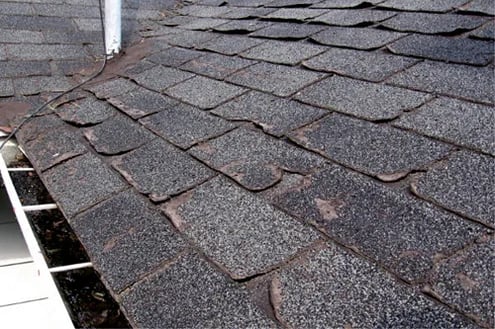
Age is usually the first thing to check. Three-tab asphalt shingles tend to last 15 to 20 years, while architectural shingles reach around 30 in good conditions. A roof near the end of that range is a strong candidate for replacement, since patching an old roof often just leads to more patches until its shingles wear out. Older shingles are also harder to repair, because they lose the oils that keep them flexible, so bending them up to pull nails tends to crack nearby shingles. A newer roof, by contrast, can usually take a clean repair.
How Bad Is the Damage?
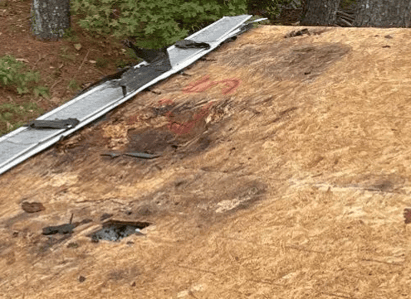
Damage extent matters just as much as age. A small area of damaged shingles with sound decking underneath usually calls for a simple repair. Once water reaches the decking, though, the wooden boards that hold your shingles, you are dealing with structure, and those boards have to come out along with material on top. That does not automatically mean a full replacement, but a repair like that costs enough that a reroof starts to make sense, especially when several leaks have damaged decking in more than one spot.
Are You Planning to Sell?
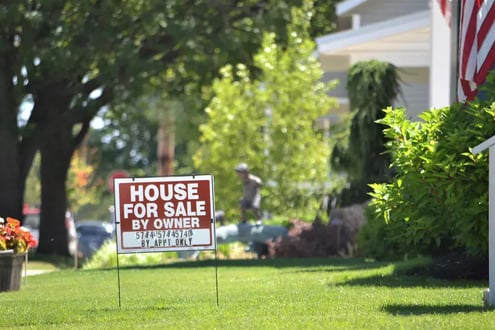
If a sale is on the horizon, factor in how your roof affects home value. Visible, unaddressed damage tends to drag a price down, since a buyer sees it as work they will inherit. A replacement can lift value much the way a kitchen or flooring update does, and it hands a buyer peace of mind that your roof is settled. A repair helps limit the hit from existing damage, though it rarely adds much value on its own.
What Is Your Budget?
Cost is the last piece, and often the deciding one. A repair asks for much less up front, so it can be a practical choice when a replacement is out of reach right now. Asphalt replacements vary widely with material, size, slope, and complexity, but most land somewhere between roughly 8,000 and 18,000 dollars, and more for larger or premium roofs. If storm damage is behind the problem, your homeowner's insurance may cover a repair or even a full replacement. Many contractors also offer financing, which lets you move ahead on a replacement when timing is tight.
When a Repair Makes Sense
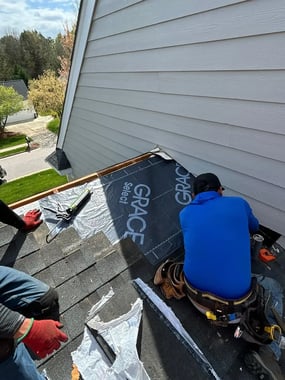
A repair is usually the right move when damage is limited and your roof still has good years ahead. If a single penetration or a small patch of shingles is the problem, and the rest of your roof is sound, there is no reason to replace everything. Repairs also cost less, wrap up quickly, often in a single day, and create little disruption or debris. A newer roof leaking at a pipe boot or another penetration is a classic case where a targeted repair is all you need.
When a Replacement Makes Sense
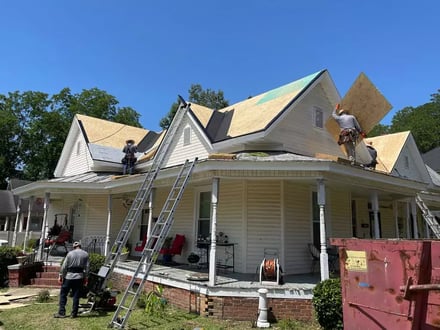
A replacement earns its cost when the roof is near the end of its life or its decking has been compromised. An aging roof only collects more wear with each storm, raising the odds of a bad leak, and rotted decking cannot be left in place without risking your home's structure. A replacement also buys years of worry-free protection, since it greatly cuts the chance of repeat repairs, and a certified contractor can back a new roof with solid manufacturer warranties. If you are after a fresh look or higher home value at the same time, a new roof delivers that too, with a broad range of colors and materials to choose from.
Getting the Right Answer for Your Roof
Weighing age, damage, selling plans, and budget will point you toward the right path, but the answer becomes clear when an experienced roofer looks at your specific roof. On Tops Roofing has helped Raleigh-area homeowners make this call since 1991, and you can request a free estimate whenever you want a straight recommendation.
FAQ
Should I repair or replace my roof?
Repair when the damage is small and isolated and your roof still has years left. Replace when the roof is near the end of its lifespan, the decking is damaged, or repairs keep recurring. Age, damage, selling plans, and budget guide the choice.
Is it cheaper to repair or replace a roof?
A repair costs much less up front, which makes it a budget-friendly option for minor, isolated damage. A replacement costs more but resets the roof for decades and often prevents a string of future repairs on an aging roof.
When is a roof too old to repair?
Once a roof nears the end of its lifespan, around 15 to 20 years for three-tab or about 30 for architectural, repairs tend to pile up and the shingles grow brittle. At that point a replacement is usually the more sensible move.
Does damaged decking mean I need a full replacement?
Not always, but it raises the stakes. Damaged decking has to be removed and rebuilt along with the shingles above it, which drives up repair costs, so widespread or repeated decking damage often tips the decision toward a replacement.
Will insurance cover a roof repair or replacement?
If the damage comes from a covered event like a storm, your homeowner's insurance may pay for a repair or even a full replacement. An adjuster reviews the damage, and a roofer who handles claims can help make sure the scope is right.