Roof Repair
Roof penetrations like chimneys, vents, and skylights are normal, but their seals wear out. Learn how they fail and what NC homeowners should watch for.

What is a roof penetration?
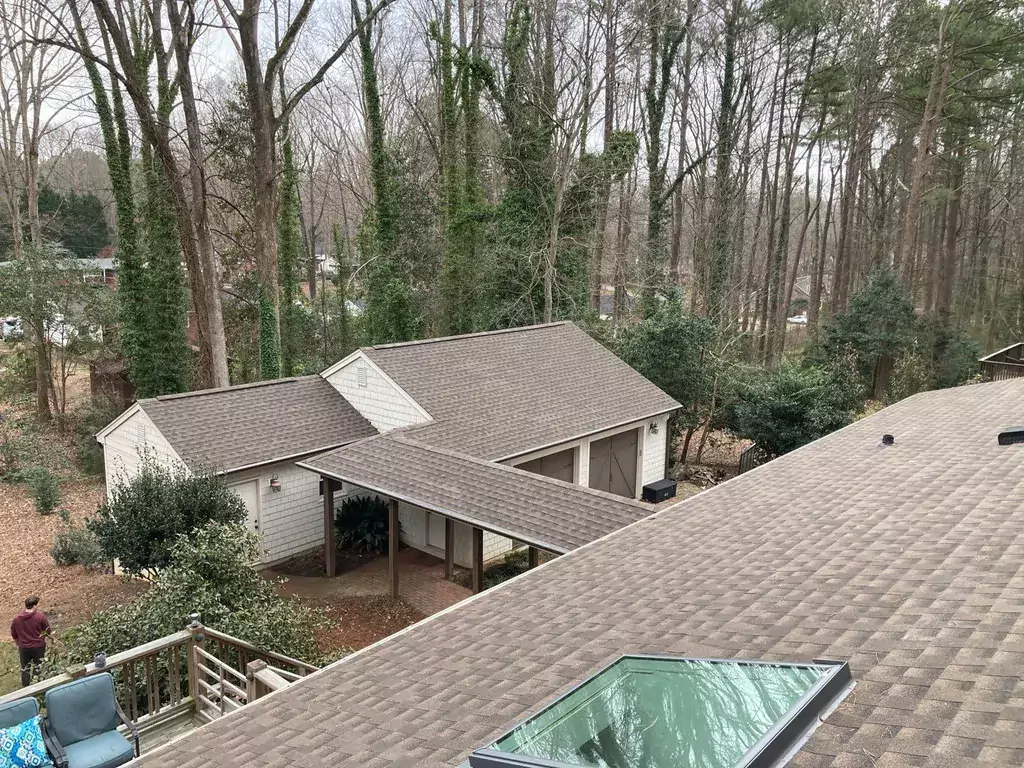
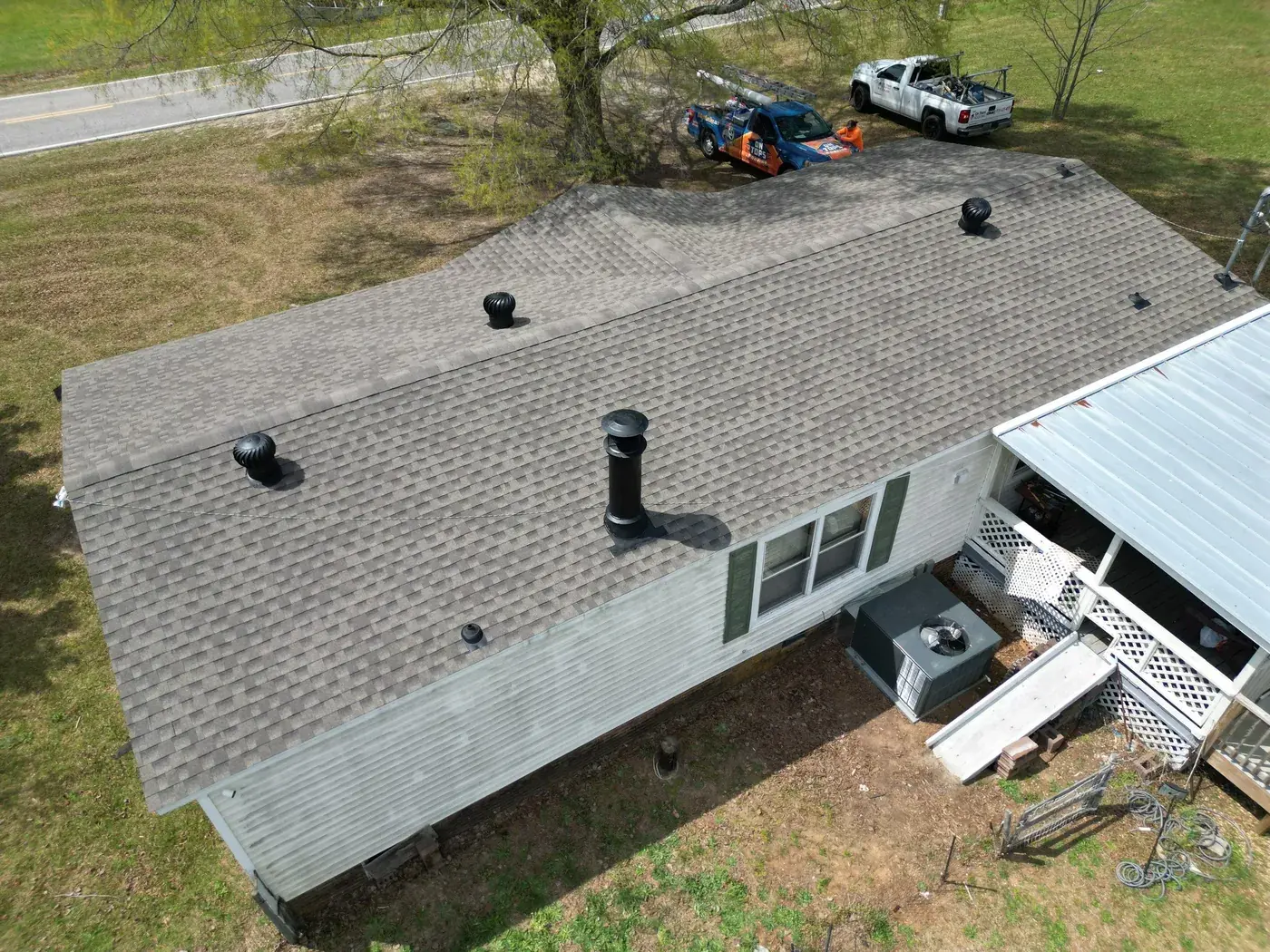
A roof penetration is any feature that passes through the surface of your roof, such as a chimney, skylight, plumbing vent, attic vent, or solar panel mount. Penetrations are intentional parts of your home's design, not damage. Each one is sealed with flashing or a boot, and those seals need occasional attention to stay watertight.
Key takeaways:
- Penetrations are designed openings that vent air, gases, and moisture or bring in natural light.
- Every penetration is a potential leak point, which is why each one gets flashing or a rubber boot.
- Pipe boots are the most common penetration leak, and NC sun wears them out faster than the shingles around them.
- Watch for cracked rubber, lifted flashing, rust streaks, and ceiling stains below vents or chimneys.
- Catching a failed boot or flashing early is a small repair instead of a water damage bill.
Roofing comes with a vocabulary of its own, and terms like penetration, pitch, and flashing can leave homeowners guessing at what their roofer means. This blog clears up one of the most common: penetrations.
When you first hear the word, it is natural to picture a roof full of holes, and technically that is correct. What might not be obvious is that these holes are designed on purpose and each one serves a job. Understanding what they do, and how they fail, goes a long way toward understanding your roof.
Today, we're talking about:
- What a roof penetration is
- Different kinds of roof penetrations
- How penetrations fail, and when
- What homeowners should watch for
- How to fix a penetration
- FAQ
What is a Roof Penetration?
In the roofing trade, a penetration is any structural element or feature that passes through the surface of your roof. The term might suggest something unwanted, like a fallen branch, but it means the opposite. Penetrations are built into your home on purpose, and they are integral parts of the roofing system.
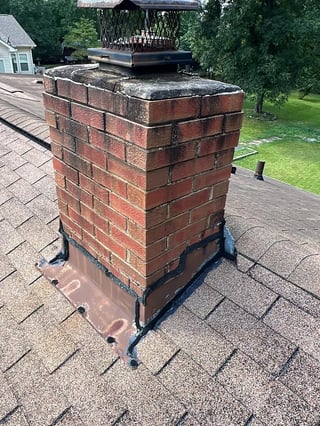
Penetrations are nothing to worry about on their own. They handle essential jobs around your house, which we will cover in the next section.
One thing worth knowing: penetrations do add complexity to a roof, and that shows up in the cost of a replacement. Each one needs its own flashing materials and labor to seal correctly, so a roof with two chimneys, three skylights, and a handful of vents costs more to replace than a plain roof of the same size. A reputable roofer will account for your specific penetrations in the estimate and explain how they affect the price.
Types of Roof Penetrations
Roof penetrations cover a wide range of features, each with its own purpose:
- Chimneys: an outlet for smoke and gases from your fireplace or heating system.
- Skylights: natural light for your living space, which cuts down on artificial lighting.
- Dormers: architectural character plus added interior space and ventilation.
- Attic vents: air circulation that prevents moisture buildup and regulates attic temperature.
- Kitchen vents: an exit for steam, smoke, and cooking odors.
- Plumbing vents: air for your plumbing system, which keeps drains flowing and traps from siphoning dry.
- Solar panel mounts: each mounting bracket on a solar array passes through the roof, and more NC homes add them every year.
- Satellite dishes and antennas: mounting hardware that bolts through the roofing surface.
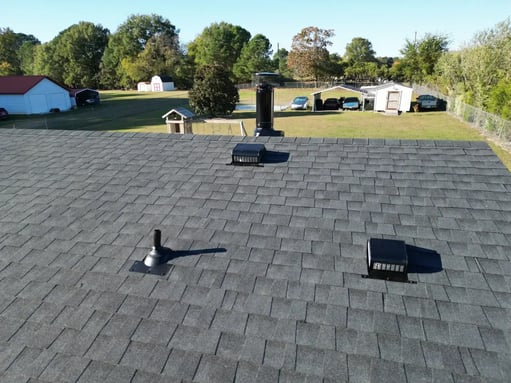
Most penetrations exist to move air and gases out of your home before they cause trouble, whether that is smoke from the chimney, steam from the stove, or sewer gases from the plumbing stack. They are a core part of keeping the indoor environment safe and comfortable.
Skylights and dormers stand apart for what they add visually. A skylight brightens a room all day at no cost, and dormers give a roofline character while opening up usable space inside. Solar mounts are the newest addition to the list, and they are a good reminder that anything attached through the roof, however valuable, needs to be sealed correctly.
How Penetrations Fail, and When
A roof's job is to shed water in one unbroken surface, and every penetration interrupts that surface. This makes penetrations the most common places for a roof to leak, not because they are flawed, but because they are where the watertight layer has to be rebuilt by hand.
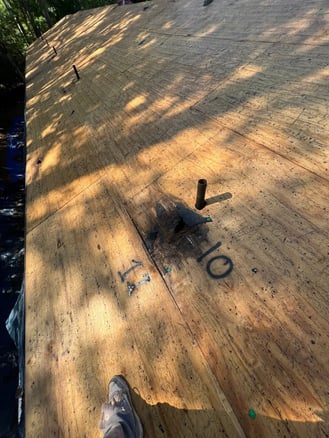
The rebuilding is done with flashing: non-porous metal pieces custom-fit around chimneys, skylights, and walls, sealing the joint between the penetration and the shingles. Flashing fails in a few predictable ways. Poor installation and cheap materials cause early failures, while even good flashing can loosen or lift over time as sealants dry out and fasteners work free, often somewhere in the 10 to 15 year range or after a severe storm. North Carolina's pop-up summer thunderstorms have a way of finding weak flashing first, since wind-driven rain pushes water into gaps that ordinary rainfall never reaches.
Plumbing vents get a different treatment: a pipe boot, which is a rubber collar that seals around the pipe. Pipe boots are the single most common penetration leak we see. The rubber bakes in the sun, dries out, and cracks, and NC's heat and strong UV speed up the process. A boot can fail in as little as 7 to 10 years, long before the shingles around it wear out, which surprises homeowners who assume everything on the roof ages at the same rate. The good news is that a boot replacement is one of the cheapest repairs in roofing, while the ceiling damage from an ignored one is not.
What Homeowners Should Watch For
Penetrations are the part of your roof that needs attention between replacements. The shingle field mostly takes care of itself, but boots and flashing age on their own schedule, so a little periodic attention pays off. None of this requires climbing on the roof:
- After big storms, look at your roof from the ground. Lifted or bent flashing around the chimney, a skylight sitting crooked, or anything visibly out of place is worth a call.
- From the ground with binoculars, check the rubber around plumbing pipes once a year or so. Visible cracking or a boot pulling away from the pipe means it is due.
- Inside the house, glance at the ceilings below penetrations a couple of times a year. A tan or brown stain under a bathroom vent, chimney, or skylight is often the first sign a seal has failed.
- Rust streaks running down shingles from a chimney or vent point to corroding flashing above.
- Keep debris clear. Leaves and pine needles that pile up behind chimneys and around skylights trap moisture against the flashing and shorten its life.
A professional inspection every few years catches what the ground view cannot. On Tops Roofing has been inspecting and repairing roofs in North Carolina since 1991, and checking every penetration is a standard part of how our certified roof inspectors work through a roof: each boot, each run of flashing, each skylight seal. Most of what we find at penetrations is a quick, inexpensive fix, and finding it early is the entire point.
Roof Penetration Solutions
If you spot trouble with flashing or a pipe boot, the recommended next step is an inspection by a certified roofing contractor, who can identify exactly what needs repair or replacement. While they are up there, it makes sense to have every penetration checked at once. Trouble at one often means others are aging the same way, and bundling the work saves you a second service call.
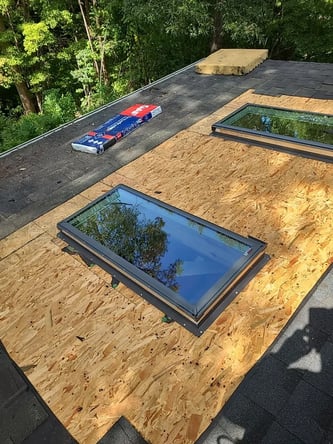
For problems with the penetrations themselves, like a failing skylight or a deteriorating chimney, look for professionals trained in those specific components. Your roofing contractor may have specialists on staff or trusted partners who handle skylight and chimney work, and those critical pieces of your home deserve experienced hands.
Roofing terminology can be a maze, but knowing what penetrations are and how they age puts you ahead of most homeowners. A roof rarely fails all at once. It fails at the seams, and now you know where to look.
FAQ
Are roof penetrations bad for my roof?
No. Penetrations are intentional, necessary parts of your home that vent air and gases or bring in light. They only become a problem when the flashing or boot sealing them fails, which is why they deserve periodic attention.
How long do pipe boots last?
The standard rubber boot often fails within 7 to 10 years in North Carolina, since our sun and heat dry out the rubber until it cracks. That is well short of a shingle roof's lifespan, so expect to replace boots at least once between roof replacements.
What does flashing actually do?
Flashing is custom-fit metal that seals the joint where a penetration meets the roof surface, redirecting water around the opening instead of into it. Quality of installation matters more than anything else in how long it lasts.
How do I know if a penetration is leaking?
The earliest signs are usually indoors: a tan or brown ceiling stain below a vent, chimney, or skylight. Outside, look for cracked rubber around pipes, lifted or bent flashing, and rust streaks running down from metal components.
Do solar panels damage your roof?
Not when installed correctly. Each mounting bracket is a penetration that needs proper flashing, so the quality of the installer matters. If your roof is within a few years of needing replacement, replace it before the panels go on so they do not have to come off again.