Asphalt Roofing
What happens after your roof replacement? The five final steps, from cleanup and inspection to warranty registration and a simple maintenance plan.

What happens after a roof replacement is finished?
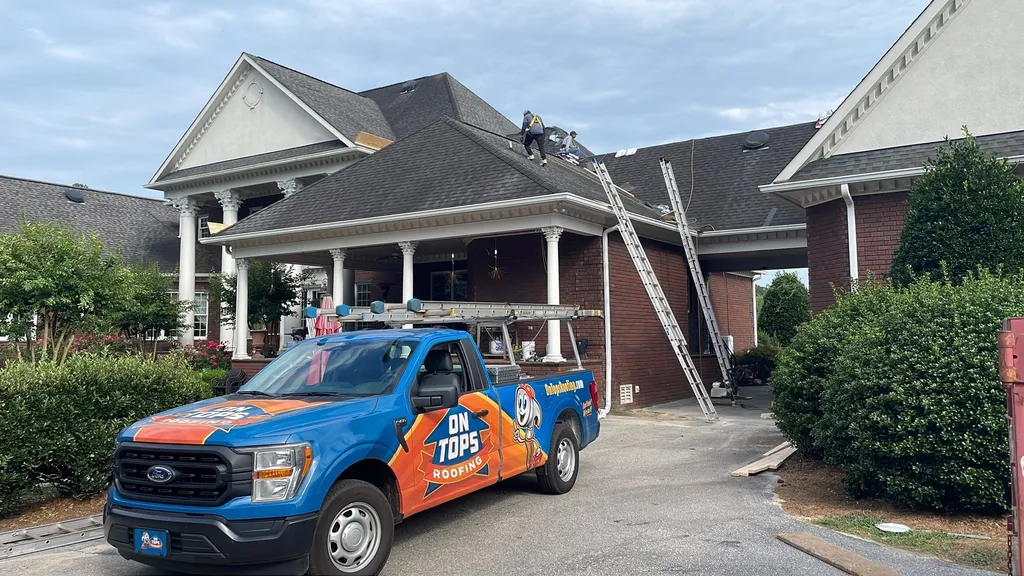
After the last shingle goes on, five things finish the job: a full cleanup and nail sweep, a final inspection by your project manager, the final payment, registering your warranty, and a maintenance routine you keep up over the years. Most of it wraps up within a day or two of the install.
Key takeaways
- The crew clears debris and loose granules, then sweeps the yard for nails with magnets. It is worth checking around your downspouts during the first few rains in case a stray nail washes down.
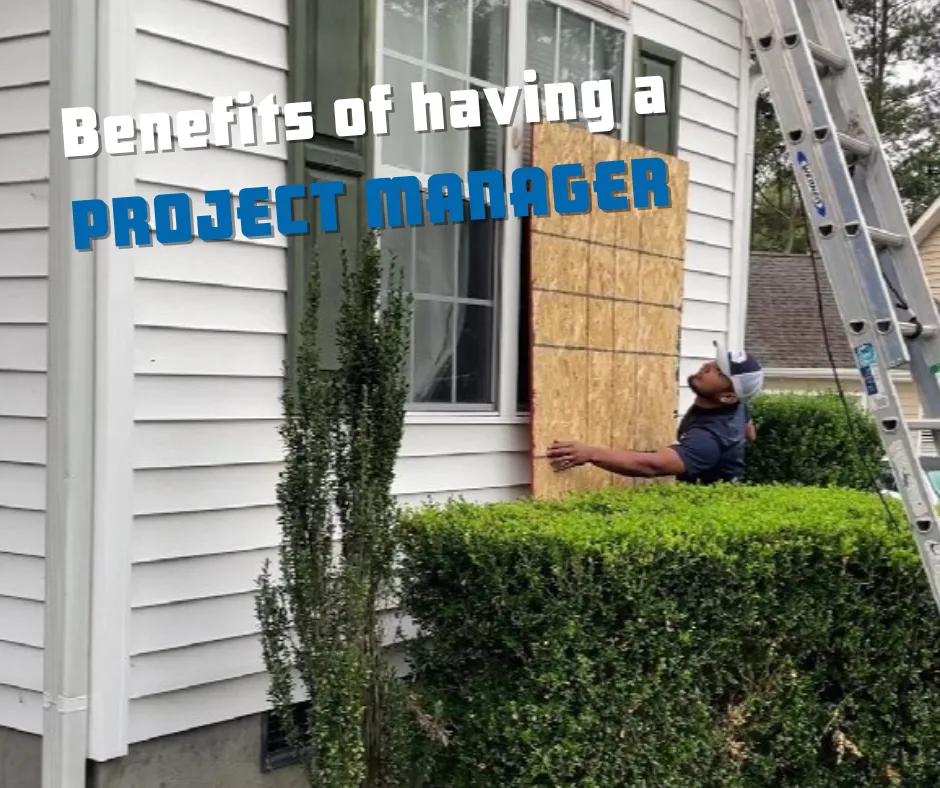
- A project manager runs a final walkthrough, often the same day or the day after the install, and handles anything left on the punch list.
- Look the work over before you release the final payment.
- Register your warranty and keep your invoice and contract. A certified contractor usually registers extended warranties for you.
- Plan light maintenance twice a year and a professional inspection about every two years.
Sooner or later every roof reaches the end of its life, whether storm damage gets there first or time simply catches up with it. The installation is the part everyone pictures, but a handful of important steps come after the new shingles are down, and knowing what they are makes the whole project feel more predictable. Here is what to expect once the crew finishes, along with a simple plan for keeping your new roof in good shape for years to come.
Jump to a section:
Clean-Up
A new roof is a major project, and the cleanup that follows is what returns your property to the way it looked when the crew arrived. A good roofing company treats that cleanup as part of the job itself rather than an afterthought.
Once the install is finished, the crew uses backpack blowers to clear the roof of debris and the loose granules that shake free from shingles during a replacement, and your gutters and window seals are cleared by hand or with a blower to catch any nails or scraps that landed there. Even with a careful sweep, the occasional stray nail can slip through, usually one that rolled down a downspout that had not been cleared yet, so it is worth glancing at the ground below your downspouts during the first few rains.
From there, the crew walks your yard and landscaping to gather anything that was missed, sweeping for nails with two kinds of magnets along the way: a handheld magnet for the tight spots around shrubs and flower beds, and a rolling magnet on wheels for the perimeter of the house.
A couple of tips can make cleanup go smoother. Grass that has been mowed short before the project starts makes stray nails much easier to spot and collect. Turning off your sprinkler system a couple of days ahead helps too, and in more ways than one: a dry yard gives the crew solid footing as they move ladders and materials around the house, keeps tarps and torn-off shingles from tracking mud, and lets the magnet sweep pick up nails that would otherwise get pressed into soft, wet ground.
Final Inspection
Once the roof is complete, your project manager performs a final inspection. This is the last check that everything went on correctly and that every item in your contract was handled the way you expected.
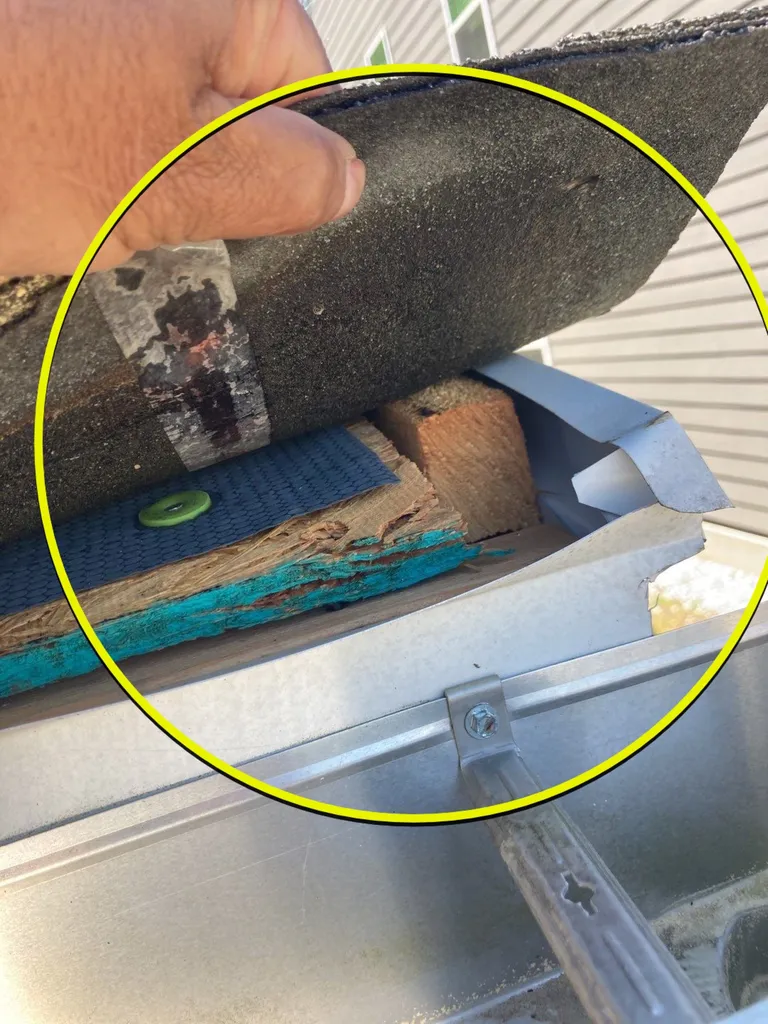
On that walkthrough, the project manager will:
- Clear the driveway of any leftover debris.
- Check the gutters again for nails or scraps that could block drainage.
- Confirm the shingles along the gable line are straight and aligned.
- Make sure any drip edge along the gable line sits straight.
- Clean any siding that shingles marked or scuffed during the install.
- Answer any questions you still have about the work.
The final inspection usually happens the same day as the install, though it occasionally lands on the following day. Either way, it is your chance to walk the project with someone who knows exactly what was done and to raise anything that does not look right.
Final Payments
Clear contract terms keep you and your roofer on the same page about money and timing. Many roofers ask for a deposit before the work begins, often somewhere between 10% and 30% of the total, to cover materials and startup costs. Not every company works that way, though. At On Tops, for example, we do not collect a deposit at all, and payment is simply due once the work is finished. Either way, your contract should spell out each payment clearly: the deposit if there is one, any progress payments, and the final balance, each tied to a real milestone in the project.
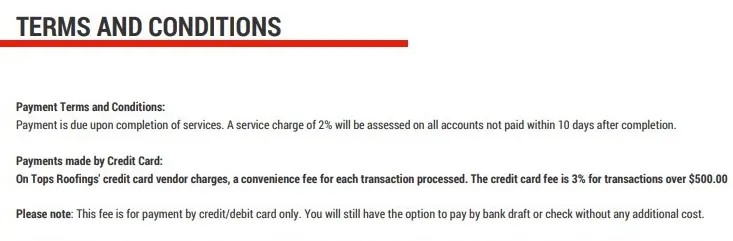
Before releasing that final payment, take a few minutes to look the work over. Signs of a job done right include:
- No leftover materials on the roof or around the property.
- Evenly spaced shingles and a straight roofline.
- Clean, new looking vents and flashing.
- No damage to your home or yard from the install.
Checking the finished work against your contract is a small step that keeps everyone accountable and protects your investment.
Registering Your Warranty
Registering your warranty is one of those steps that is easy to overlook and costly to forget, because most roofs actually carry two kinds of coverage: a manufacturer warranty on the shingles and materials, and a workmanship warranty from the contractor on the installation itself.
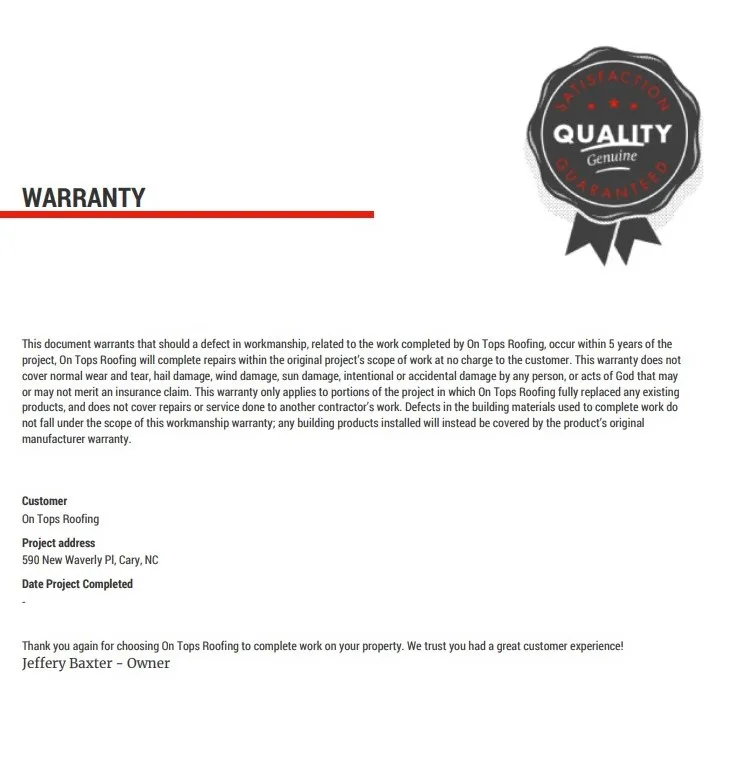
Manufacturer warranties cover defects in the materials, and it is worth registering yours and keeping your final invoice and contract somewhere safe, since those documents show the install date and shingle type that back up any future claim. Without a registration or that paperwork on file, a claim can be denied.
Extended warranties go a step further than the standard manufacturer coverage, and they generally have to be registered through a certified contractor, who in most cases files the registration for you. There is a limited window to register after the install, so it is worth confirming early. If you purchased an extended warranty through a certified roofer and have not received your warranty and registration confirmation within a couple of months, a quick call to the manufacturer can verify everything went through.
Continued Maintenance
A new roof is built to last, and a little routine attention helps it reach its full lifespan. None of it takes long, and most of it follows a simple schedule.
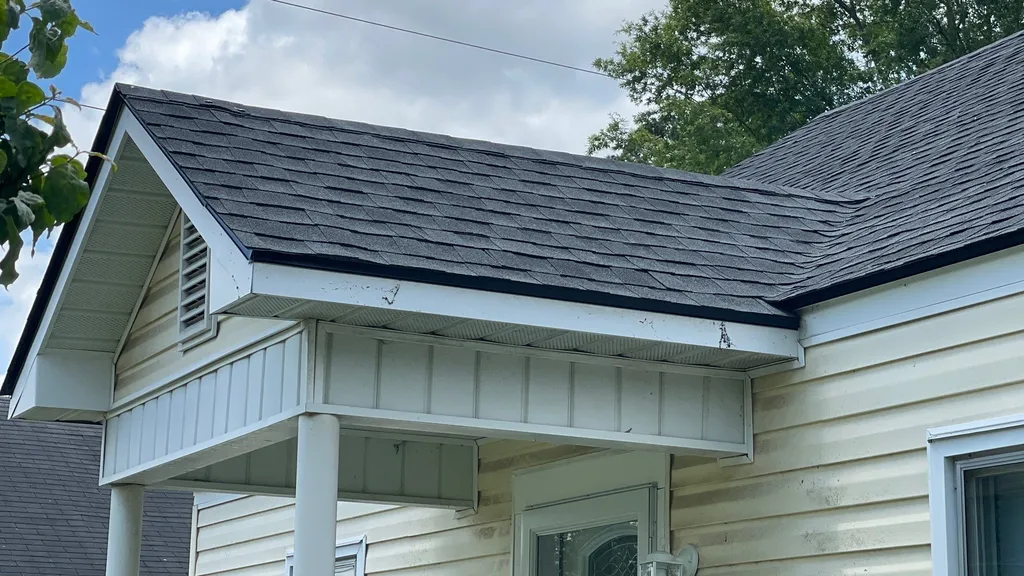
The first month
During the first few rains, check around your downspouts for stray nails, and glance up at the roof from the ground now and then. New shingles can look slightly lifted at first, then lie down flat once warm sun heats them and the sealant strips bond, a process that takes a little longer in cooler months.
Twice a year, in spring and fall
A reminder in spring and fall is all it takes to stay on top of the basics:
- Clean the gutters and downspouts so water drains freely.
- Clear leaves, pine straw, and debris off the roof and out of the valleys. In our area pine straw and pollen pile up fast, and anything that traps water against the roof invites trouble.
- Trim back branches that hang over or touch the roof.
- Look in the attic for any sign of water: stains, damp insulation, or daylight where there should not be any.
- From the ground, scan for lifted, curled, or missing shingles and any loose flashing.
If your home is under two stories and you are comfortable on a ladder, most of this list is manageable on your own. If you would rather leave the heights to someone else, a roofer can handle it as part of a professional roof inspection.
After a big storm
North Carolina weather does not always cooperate. Pop-up summer thunderstorms and the occasional late season storm rolling in from the coast can lift shingles or bring branches down, so after anything severe it is smart to do a quick visual check from the ground and call a pro if something looks off.
Every couple of years
Even with regular upkeep, a professional inspection about every two years is worth the time. A trained roofer catches the things that are hard to see from the ground, like curling or blistering shingles, popped nails, cracked caulking, and damaged flashing, and finding those small problems early keeps them from turning into leaks.
So far we have covered the steps that wrap up a replacement and the upkeep that follows. To put it in context, here is how that looks at a company that does this every day. On Tops Roofing has been replacing roofs for North Carolina homeowners since 1991 and completes around a thousand projects a year, so these final steps are second nature to our crews. We are also a GAF Master Elite contractor and a CertainTeed ShingleMaster, the certification level that allows us to register the extended manufacturer warranties many homeowners choose for a new roof.
Every roofer has their own way of finishing a job, but the goal is the same: leaving your home in better shape than they found it. You should feel confident in the work both during and after your replacement, and if you do not, it may be time to rethink your contractor.
FAQ
How soon can it rain on a new roof?
A new roof is watertight as soon as the install is finished, so rain right after is not a problem. The thing to watch in the first rains is your downspouts, in case a stray nail washes down.
Why do my new shingles look slightly lifted?
Fresh shingles often sit a little raised until the sun warms them and the adhesive strips seal down. In warm weather that happens quickly, while in cooler months it can take a few weeks. If they still look lifted after that, call your roofer.
Is it normal to find a few nails afterward?
It can happen even after a careful magnet sweep, usually a nail that rolled down a downspout. Check around your downspouts and along the driveway after the first rains and pick up any you find.
What if I notice a problem after the crew is gone?
Call your roofer. Installation issues are covered by the contractor's workmanship warranty, and a reputable company would rather hear about a concern early than let it grow into something bigger. Material defects fall under the manufacturer warranty instead, which is one more reason to keep that registration and paperwork handy.
How often should I have my roof professionally inspected?
About once every two years for a roof in good shape, plus a quick look after any major storm. Older roofs, or ones under heavy tree cover, can be worth checking yearly.
Who registers my roof warranty?
Your contractor usually registers extended manufacturer warranties for you. Confirm it was filed and keep your invoice and contract, since those documents back any future claim.