
.png)
When winter comes, it often brings some beautiful scenes with it. Trees become bare, creeks freeze over, and snow blankets the neighborhood.
But every now and then, winter also brings a roofing question that can catch homeowners completely off guard: Why is there snow in my attic?
When snow blows through town, we get a lot of calls from homeowners who find what looks like a roof leak, only to discover that the moisture is actually snow that was blown into the attic through the ventilation system. At first glance, it can be alarming. Most of us are used to seeing rain leak into a home, not light, fluffy snow sitting on top of insulation or attic framing.
However, I can assure you that a small dusting of snow getting into your attic does not automatically mean that your roof is leaking, failing, or incorrectly installed.
A note from the early 2026 winter storms: During the winter storms that hit North Carolina and much of the East Coast in early 2026, we received more than 50 calls from homeowners who thought they had roof leaks. In many of those homes, the issue turned out to be light, powdery snow that had been blown into the attic by strong winds. Once that snow melted, it created water spots that looked like a traditional roof leak, even though the roof itself was not the problem.
In this blog, we’ll be going over:
- What causes snow getting into your attic
- What problems the snow could cause
- What you can do about it
- What else should you know about attic ventilation?
Alright, let's get started!
What causes the snow in my attic?
Snow most often gets into attics because of a very specific combination of weather: light, dry snow and high-speed, horizontal winds.
That’s an important distinction. We’re not usually talking about heavy, wet snow slowly melting its way through a hole in the roof. We’re talking about tiny, powdery snowflakes being pushed sideways by wind. In those conditions, snow can behave more like dust than rain. Instead of falling straight down and running off the shingles, it can get lifted, swirled, and blown into small openings that are designed to move air.
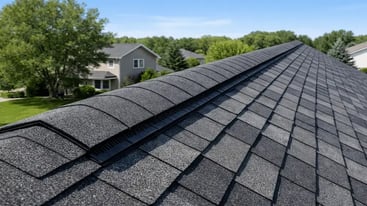
Very common in today’s homes are ridge vents, which allow warm attic air to escape through a gap along the ridge of the roof. In normal rain or normal snowfall, water droplets and snowflakes usually pass over that opening and continue down the roof. But when the wind is strong enough and blowing at the right angle, fine snow can be pushed back up and into the ridge vent.
That is exactly why this issue can become so noticeable during unusual winter storms in North Carolina. In early 2026, North Carolina saw widespread snow across the state, including heavy snow in areas that do not usually deal with that kind of winter weather. Some East Coast storms also brought strong coastal winds, blowing snow, and sharp temperature drops. Those are the types of conditions that can make attic snow calls spike.
Water is much harder to notice when it gets blown in because it usually comes in such small amounts that it dries before anyone ever sees it. Snow, on the other hand, can sit on top of insulation, roof decking, framing, or attic storage before it melts. That makes it much easier for homeowners to spot.
So, if you open your attic and see a light dusting of snow after a windy winter storm, it does not always mean that shingles are missing or that your roof has an active leak. It may simply mean that the storm produced the right kind of snow and wind to push flakes through an attic exhaust vent.
What problems could the snow cause?
In small, dust-like amounts, snow in the attic usually causes little to no damage. It can look scary because moisture inside the home is never something homeowners want to see, but a small amount of blown-in snow is different from an ongoing roof leak.
In many cases, the snow will melt and evaporate just like a small amount of wind-driven rain would. If the attic is properly ventilated, the moisture can dry out without leaving behind a major issue.
The problem is that once snow melts, it can create the same symptoms homeowners associate with a leak. You may see:
- A small wet spot on attic insulation
- Damp roof decking near the ridge
- Water droplets on framing or nails
- A ceiling stain that appears after the snow melts
- Moisture near the top of the attic rather than near a pipe boot, chimney, skylight, or wall flashing
That is why so many homeowners called us during the early 2026 storms thinking they had roof leaks. More than 50 of those calls turned out to be the same general situation: light, fluffy snow had been blown into attics throughout North Carolina, then melted and created what looked like leak damage.
Here’s the key thing to remember: A roof leak usually means water is finding a consistent path through the roofing system. Blown-in attic snow usually means wind pushed light snow through a ventilation opening during rare storm conditions. Those are two very different problems.
It’s difficult to say exactly how much snow should cause alarm because North Carolina does not deal with this type of weather as often as colder northern markets. A light dusting is usually not something to panic about. A large pile of snow, repeated snow infiltration, soaked insulation, stained decking, or water entering the living space should be taken more seriously.
If you are seeing several inches of snow in your attic every winter, or if the issue happens during normal rainstorms, that may point to something else. It could be a damaged vent, a roof installation issue, missing flashing, deteriorated sealant, or an actual roof leak that needs to be inspected.
But in the rare winter storm scenario, especially when the snow is very light and the wind is blowing hard, there may not be much wrong with the roof at all.
What should I do about it?
Given that we live in an area of the country that does not receive this kind of blistering winter weather very often, there usually isn’t much to be done for a rare dusting of snow in the attic.
If you find a small amount of snow after a major winter storm, don’t panic. The best first step is to treat it the same way you would treat snow tracked inside near your front door. If you can safely access the area, you can remove what you can, place towels under small wet spots, and allow the attic to dry naturally.
Here are a few practical steps you can take:
- Take pictures. Photos help document the amount of snow, where it entered, and whether it was near a ridge vent, box vent, pipe boot, or another roof penetration.
- Remove small amounts if it is safe. If the snow is easy to reach, gently scoop it up or use towels to absorb meltwater. Do not step through ceiling drywall or disturb insulation more than necessary.
- Let the attic dry. A properly ventilated attic should be able to dry out a small amount of moisture.
- Watch the area after the next rain. If the same area becomes wet during a normal rainstorm, that is more likely to be an actual roof leak.
- Call a professional if the amount is large or the moisture keeps returning. A roofing professional can inspect the ventilation system, ridge vent, flashing, roof penetrations, and decking.
Here in North Carolina and other parts of the South, many homes use ridge vents that are optimized for airflow during hot, humid summers. That airflow is important. Your attic needs ventilation to help manage heat and moisture for most of the year.
In snowier northern markets, some ventilation products are designed with more snow-blocking features. The trade-off is that they may restrict airflow more than the products commonly used in warmer climates. That trade-off makes more sense in places that deal with blowing snow every winter. In North Carolina, where heat and humidity are usually the bigger attic concerns, maximum airflow is often the priority.
What about filtered ridge vent?
Some customers choose to have us install filtered ridge vent after a storm like this. A filtered ridge vent can help reduce the amount of wind-driven snow that makes its way into the attic during future winter storms. It is an optional step, not something every homeowner needs. It can help prevent some snow infiltration and lower the risk of snow-related moisture spots, but it is not a guarantee that no snowflake will ever enter your attic again during extreme wind conditions.
The best answer depends on your home, your ventilation setup, and your comfort level. If your attic only had a light dusting after a rare winter storm, it may not be worth changing anything. If your attic had repeated snow infiltration, heavy accumulation, wet insulation, or ceiling stains, then it may be worth looking into a filtered ridge vent or another ventilation adjustment.
If you received a very large quantity of snow in your attic, you may want to have a professional come out to make sure your ventilation system was installed properly and to check for true roof leaks.
What else to know about attic ventilation?
Attic ventilation is one of those parts of your roofing system that does a lot of important work without getting much attention. When it is working properly, you probably don’t think about it at all. But when you find snow, moisture, condensation, or heat buildup in your attic, ventilation suddenly becomes a big deal.
Attics are ventilated by allowing older, warmer, moisture-filled air to exit near the top of the roof while cooler, fresher air enters near the bottom. This is usually done with intake vents near the lower edges of the roof and exhaust vents near the top.
As cooler air enters through the intake vents, warmer air rises and exits through the exhaust vents. That movement helps keep your attic closer to the outdoor temperature, reduces trapped humidity, and helps protect the roof decking, insulation, and shingles over time.
There are two main ways to ventilate your attic, and each method has different types of vents associated with it. Those types are active attic ventilation and passive attic ventilation.
Active Attic Ventilation
Active attic ventilation systems use some kind of mechanism, whether powered by electricity, solar energy, or wind, to actively pull stale air out of the attic.
The fresh air is brought in at the bottom of the attic, usually through a passive intake vent, and then pulled out by an active vent sitting near the top of the roof. This can help move air more aggressively than a passive system, especially when the attic is large, difficult to ventilate, or has limited natural airflow.
The most common kinds of active exhaust vents are turbine vents and powered vents.
Turbine vents use the power of wind, rising warm air, or both to pull air out of the attic. When a breeze is blowing, the turbine spins and helps move stale air out of the space below it. Even when there is very little wind, rising warm air can still help the turbine move slowly.
Powered vents are usually operated by wiring into your home’s electricity or through an attached solar panel. Either way, they use that energy to run a fan near the top of the attic, pulling air through the roof system.
Active ventilation can be helpful in some situations, but it needs to be balanced with enough intake ventilation. If an active vent is pulling air out of the attic without enough fresh air coming in, it can create pressure issues and may even pull conditioned air from the living space below.
Passive Attic Ventilation Systems
Passive attic ventilation systems are pretty much the exact opposite of active systems. They don’t use a motor, fan, or powered mechanism. Instead, they allow air to enter and exit the roof naturally.
Passive ventilation relies on a simple idea: warm air rises. Cooler air enters the attic through intake vents near the bottom of the roof, and warmer attic air exits through exhaust vents near the top. When the intake and exhaust are balanced correctly, the attic can breathe without mechanical help.
Soffit vents are the most common type of passive intake vent. They let air in through the underside of the soffit, which is the part of the roof that hangs over the edge of the home.
Drip edge vents function similarly to soffit vents, except they create an intake opening near the roof edge. They are not usually as efficient as soffit vents, so they are often recommended for homes that do not have enough soffit space for traditional intake ventilation.
There are also two major types of passive exhaust vents.
Ridge vents are becoming more and more popular because they are low-profile and sit along the highest point of the roof. They allow warm attic air to escape right where that air naturally collects. In most weather, ridge vents do a great job. But as we covered earlier, during rare winter storms with strong horizontal winds and very dry snow, they can allow some snow to be blown into the attic.
Box vents, also known as roof louvers, are another passive exhaust option. They are installed near the upper portion of the roof and allow warm attic air to escape. Box vents can be a good option for homes that don’t have a long enough ridgeline for ridge vent or where the roof design makes ridge ventilation less practical.
The important thing is not just which vent you have, but whether the whole system is balanced. A good attic ventilation system needs both intake and exhaust. Too much exhaust without enough intake can create problems. Too much intake without enough exhaust will not move air effectively. And changing one part of the system without understanding the rest can sometimes create more problems than it solves.
Now that you’ve learned more about snow getting into your attic through your attic vents, I hope you’re not feeling as worried if you saw a little snow after a major winter storm.
In many cases, a light dusting of attic snow is simply the result of rare weather conditions, not a failed roof. The early 2026 storms were a perfect example of that here in North Carolina. The snow was light, fluffy, and easy for wind to carry, and many homeowners saw moisture that looked like a leak once that snow melted.
If you’re still feeling some discomfort, or if you’re seeing large amounts of snow, recurring moisture, wet insulation, or stains inside your home, reach out to a reputable, experienced roofing company to inspect your ventilation and make sure there’s nothing worse happening.
On Tops Roofing has been providing attic vent repair and replacement services to Raleigh homeowners since 1991! Whatever your roofing project needs, we’re on it!