Asphalt Roofing
Hiring a roofer in NC? Ask these five questions about licensing, insurance, warranties, clean-up, and reviews to find a contractor you can trust.

What should you ask a roofing contractor before hiring them?
Before hiring a roofing contractor, ask whether they are licensed and insured, whether they offer a workmanship warranty, how they handle clean-up, whether they hold manufacturer certifications, and what their recent reviews look like. The answers tell you how a company operates and whether they will stand behind their work.
Key takeaways:
- In North Carolina, a general contractor license is only required for projects of $40,000 or more, so always ask for proof of insurance too.
- A workmanship warranty shows a contractor is willing to stand behind their installation.
- Clean-up should be part of the job from day one, not an afterthought.
- Manufacturer certifications unlock stronger material warranties for you.
- Recent Google reviews are the fastest way to see how a company treats its customers.
Finding the right roofing contractor is the first big step in getting your roof replacement done right. The search can leave you with more questions than answers, though. How can you be sure they will do a quality job? Can you really trust this company with your home?
In our three decades of roofing in the Raleigh area, we have heard these questions from homeowners nearly every day. Your roof is a big investment, and you want to be confident you are making the right choice.
That is why we put together this checklist of five questions to ask before settling on a contractor. By the end of this article, you will know exactly what to listen for in the answers.
Questions to Ask a Roofer
Are You Licensed, Insured, and Experienced?
Licensed. Checking that your contractor holds the license your state requires is a fundamental first step. Keep in mind that the rules vary by state, and in North Carolina they may not be what you expect. Here, a roofing contractor only needs a license from the North Carolina Licensing Board for General Contractors when the project costs $40,000 or more. Plenty of roof replacements come in under that number, which means an unlicensed roofer can legally do the work. That makes the rest of the questions on this list even more important for NC homeowners, because a license alone will not tell you the whole story.
Insured. Ask for proof of insurance before signing anything. Insurance protects you from liabilities like medical expenses and lost wages if someone is injured on your property during the project. A reputable roofer carries comprehensive coverage and will not hesitate to show it.
Experienced. Experience is what carries a project through the surprises. A common example is what sits beneath the shingles: rotten decking, old leaks, or a previous installation done wrong, none of which are visible until the tear-off. A contractor who has seen it all before can diagnose the cause and know exactly which materials and techniques will fix it, rather than guessing on your roof.
When a contractor checks all three boxes, you can hand over your home with confidence. On Tops Roofing carries a North Carolina general contractor license even though many of our projects would not require one, because we would rather be held to a higher standard.
Do You Offer a Workmanship Warranty?
Professional roofers protect your investment with warranties, and it helps to know there are two kinds. The manufacturer warranty covers the materials themselves, while the workmanship warranty covers the installation. If a roof leaks because of an installation error, the workmanship warranty is what makes it right at no cost to you.
Nearly every roofing company offers some form of workmanship warranty, often starting at a year. Longer is generally better, but length is not the whole picture. A warranty is only as good as the company standing behind it, so a five-year warranty from a contractor who answers the phone beats a twenty-year warranty from one who disappears. Ask how long the company has been in business and how they handle warranty calls, and you will learn what their promise is actually worth.
If a roofer does not offer a workmanship warranty at all, keep looking. It is a basic signal of whether they take pride in their installation and expect it to last.
What Does Your Clean-Up Look Like?
Before settling on a contractor, ask how they handle clean-up. Every roofer has their own approach, but a quality roof replacement always includes a thorough one. If clean-up is not part of the service, reconsider the company.
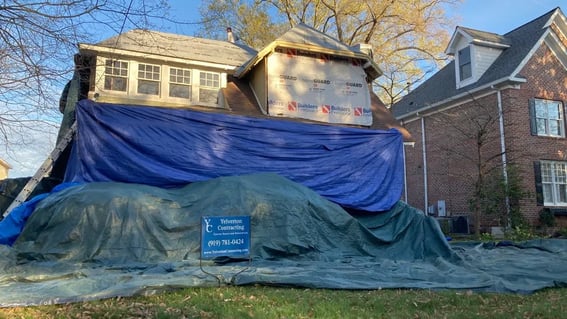
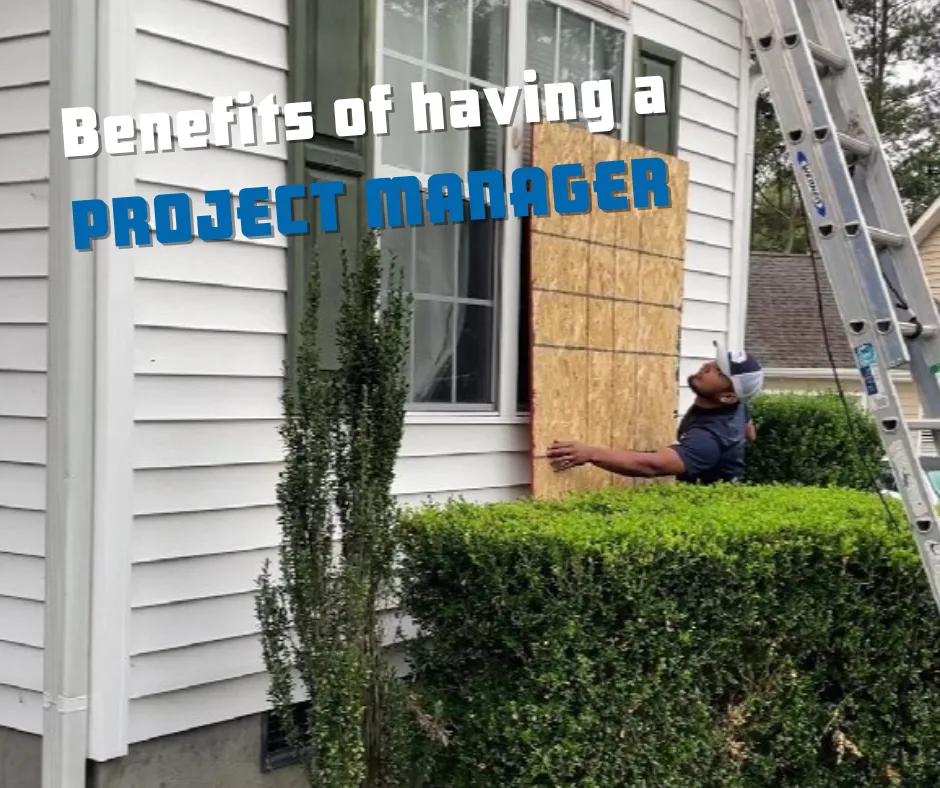
A roof replacement scatters shingles, nails, fascia fragments, and underlayment across your property, and removing all of it is part of the contractor's job. A good crew works clean from the start: tarps protecting your landscaping and siding, a dumpster on site so debris never piles up, and a magnetic sweep of the yard and driveway at the end so stray nails do not end up in tires or bare feet.
Notice that clean-up is not something that happens only after the work is finished. It runs through the entire project, and how a crew keeps a job site mid-replacement tells you a lot about how they do everything else.
Do You Have Any Certifications?
Major shingle manufacturers like GAF, CertainTeed, and Owens Corning vet a small number of contractors in each region and certify the ones who install their roofing systems according to the manufacturer's best practices. A certification tells you the people who made the shingles trust this company to install them correctly.
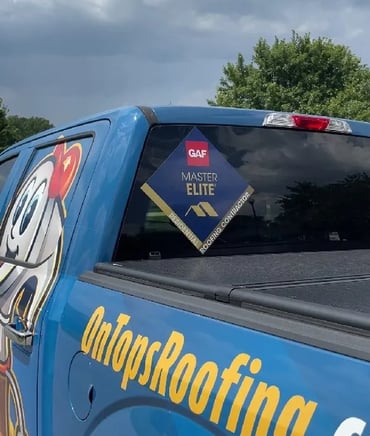
Certifications also pay off directly for you, because manufacturers offer their strongest material warranties only on roofs installed by their certified contractors. To check a contractor's status, look for certifications listed on their website or simply ask. On Tops Roofing is a GAF Master Elite contractor, a certification GAF extends to roughly two percent of roofing companies, and it is the reason we can offer warranty options that are not available otherwise.
A roofer without certifications is not automatically a bad roofer. Checking for them simply shows you which companies the top manufacturers trust, and it gets you access to the best warranties in the process.
How Are Your Reviews?
There was a time when choosing a roofer meant taking the company at its word, or maybe asking a neighbor who they used. That time has passed. Today the research happens before the first phone call, and Google reviews are usually where it starts. The shift is good news for homeowners, because a company's track record now sits in plain view.
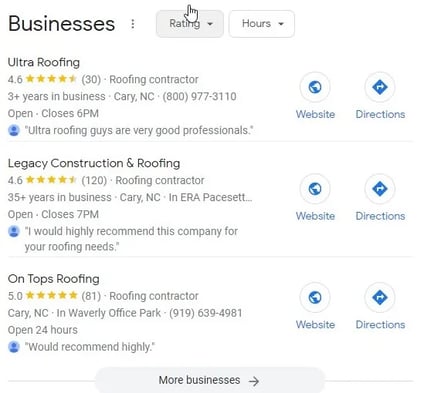
Make that research count. Read the reviews from the past two or three months, not just the overall rating, so you see the company's most recent work and how they respond when something goes wrong. A pattern in recent reviews, good or bad, is the clearest picture you will get of what your own experience might look like. We are proud that our 750+ five-star reviews do a lot of that talking for us.
If you are considering a local contractor, ask for local references too. Verifying repairs and replacements done in your own community is worth more than any number of anonymous stars, and some roofers will even invite you to see past projects in person.
While there are plenty of competent roofers out there, we always recommend hiring local. A contractor rooted in your community understands the roofing practices your area calls for, like scheduling around the pop-up thunderstorms that roll through North Carolina summers, and they are close by if you ever have an emergency.
Ready to Hire a Roofing Company?
Armed with these five questions, you have what you need to choose the right roofer for your replacement. The answers will separate the companies that simply sell roofs from the ones that stand behind them.
The next step is getting estimates. An estimate shows you the scope of work your replacement involves and whether the roofer fits your budget, and comparing a few is the surest way to know you are making the right call for your home.
FAQ
Does a roofer need a license in North Carolina?
Only for projects of $40,000 or more, under the North Carolina Licensing Board for General Contractors. Many roof replacements cost less than that, so an unlicensed roofer can legally do the work. Insurance, reviews, and warranties become even more important to check.
What is the difference between a workmanship warranty and a manufacturer warranty?
The manufacturer warranty covers defects in the roofing materials themselves. The workmanship warranty covers the installation, so if a roof fails because of an installer error, the contractor fixes it at no cost to you. A complete roof replacement should come with both.
How many estimates should I get?
Two or three is a good target. Comparing estimates shows you the going rate, reveals differences in scope and materials, and gives you a feel for how each company communicates. Be cautious with any bid dramatically lower than the others, because the savings usually come out of the materials or the labor.
Are online reviews reliable?
Generally yes, if you read them well. Focus on reviews from the last few months, look for patterns rather than one-off complaints, and pay attention to how the company responds to criticism. A large number of reviews built up over years is hard to fake.
Should I hire a local roofing company?
We recommend it. Local contractors know the weather and roofing practices your area calls for, they are nearby if you have an emergency, and their reputation in the community depends on treating neighbors well.