Asphalt Roofing
Is your roof leaking? Are you finding tiny pebbles in your gutters? We cover 8 issues that’ll help you determine if you need a roof repair or replacement.

Your home is a place where you find comfort and peace. And when it comes to protecting your home from the elements and enhancing its overall appeal, your roof plays a crucial role.
Over time, roofs can experience wear and tear, which may lead to the need for repairs or even a replacement. If you're a homeowner researching whether to opt for a roof repair or replacement, you've come to the right place.
In this blog we’ll break down:
Signs you need a roof repair
Algae growth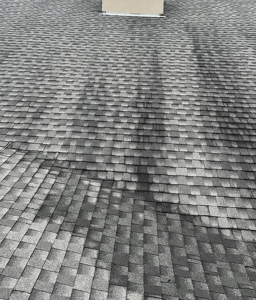
One of the most common issues homeowners face is the growth of algae on their roofs. Algae can appear as dark streaks or stains, particularly on asphalt shingles. While it doesn't necessarily cause damage to the shingles, it can negatively impact the roof's aesthetics. Algae growth is more common in humid climates and can spread from neighboring homes. To address this issue, a professional roofing contractor will often use a 50:50 mix of chlorine bleach and water, which can effectively remove algae and restore the roof's appearance.
While algae growth can often be remedied through cleaning, it's important to note that cleaning alone may not address the underlying cause. If the algae growth persists or reoccurs frequently, it could be an indication of other issues, such as poor roof ventilation or excessive shade. In such cases, consulting a roofing professional is recommended to assess the overall health of your roof and recommend appropriate measures to prevent future algae growth.
Missing or damaged shingles
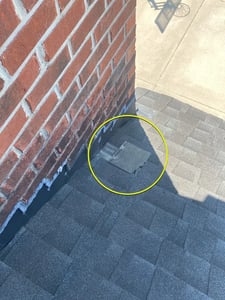
Missing or damaged shingles can compromise the functionality and appearance of your roof.
When it comes to shingle damage, it's important to consider not only the extent of the damage, but the age of your roof as well. If your roof is relatively new and the damage is isolated to a few shingles, repair is often a viable option. However, if the shingles are nearing the end of their lifespan or if the damage is extensive and affects a significant portion of the roof, a replacement may be more cost-effective in the long run.
Fascia damage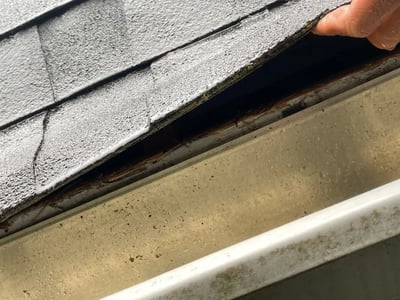
The fascia board, located along the overhang and roofline of your home, plays an important role in enhancing the overall appearance of your roof and your home. Constant exposure to water, especially when gutters are clogged, can lead to fascia deterioration and rot. If left unaddressed, fascia damage can cause your gutter system to fail. In most cases, however, repairing or replacing the fascia doesn't require a complete roof replacement.
When dealing with fascia damage, it's important to address the underlying cause, such as gutter issues or water drainage problems. Simply repairing or replacing the fascia without fixing the root problem may lead to recurring damage. Additionally, if the fascia damage is extensive or if it's accompanied by other significant roof issues, a roof replacement may be necessary.
Minor roof leaks
Discovering a roof leak can be concerning, but not all leaks require a full roof replacement. In many cases, a minor repair can resolve the issue. Common causes of minor roof leaks include pipe boot failure, improperly driven nails, chimney leaks, or skylight issues. Identifying the source of the leak and addressing it promptly can prevent further damage to your home's interior and the underlying roof structure.
If the leak is confined to a specific area and doesn't affect the overall integrity of the roof, a repair can effectively resolve the problem. However, if the leaks are recurrent, widespread, or indicate significant damage to the roof structure, a roof replacement may be necessary.
Signs you need a roof replacement
Curling and buckling shingles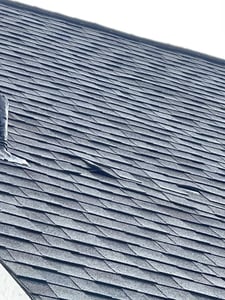
Curling and buckling shingles are clear indications that your roof is experiencing significant problems and may require a replacement. These issues are typically caused by age, improper installation, poor attic ventilation, and moisture damage.
Curling shingles are characterized by the edges or corners of the shingles turning upward or downward, creating a distorted appearance. This condition can occur due to the aging of the roof, prolonged exposure to heat and moisture, or inadequate ventilation in the attic. When shingles curl, they become more vulnerable to wind uplift and can easily crack or break, exposing your roof to potential leaks and water damage, and affecting the aesthetic appeal of your home.
Buckling shingles, on the other hand, occur when the shingles appear wavy or uneven, with visible distortions or bumps in the surface. This issue is often caused by excessive moisture trapped beneath the shingles, which leads to the expansion and contraction of the underlying roof deck. Buckling can also be a result of poor installation, such as insufficient fastening or improper use of underlayment. Buckled shingles are prone to wind damage and can allow water infiltration, leading to further deterioration of the roof structure and potential interior damage.
Extensive storm damage
Severe weather events, such as hailstorms, strong winds, and heavy rain, can cause significant damage to your roof. While minor repairs may be sufficient for isolated damage, extensive storm damage can compromise the integrity of the entire roof. Common signs of extensive storm damage include widespread shingle loss, exposed decking, visible cracks or dents, and large sections of the roof being compromised.
If your roof has experienced extensive storm damage, a replacement may be necessary to ensure the structural integrity of your home.
Sagging or structural issues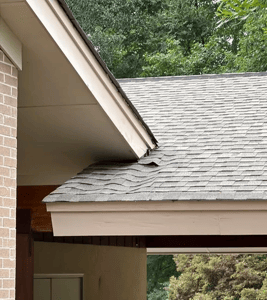
A sagging roof is a clear indication of structural problems that require immediate attention. Roof sagging may be caused by a variety of factors, such as long-term water damage, inadequate support, or compromised structural components. Ignoring a sagging roof can lead to further damage and pose safety risks to anyone living in the home.
If you notice any signs of sagging, it's crucial to consult a professional roofing contractor to evaluate the extent of the structural issues as soon as possible. In some cases, repairs may solve the issue if the damage is localized. However, if the structure of the roof is significantly compromised, a roof replacement may be the only viable solution.
Granule loss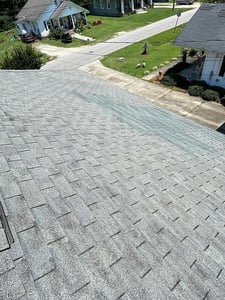
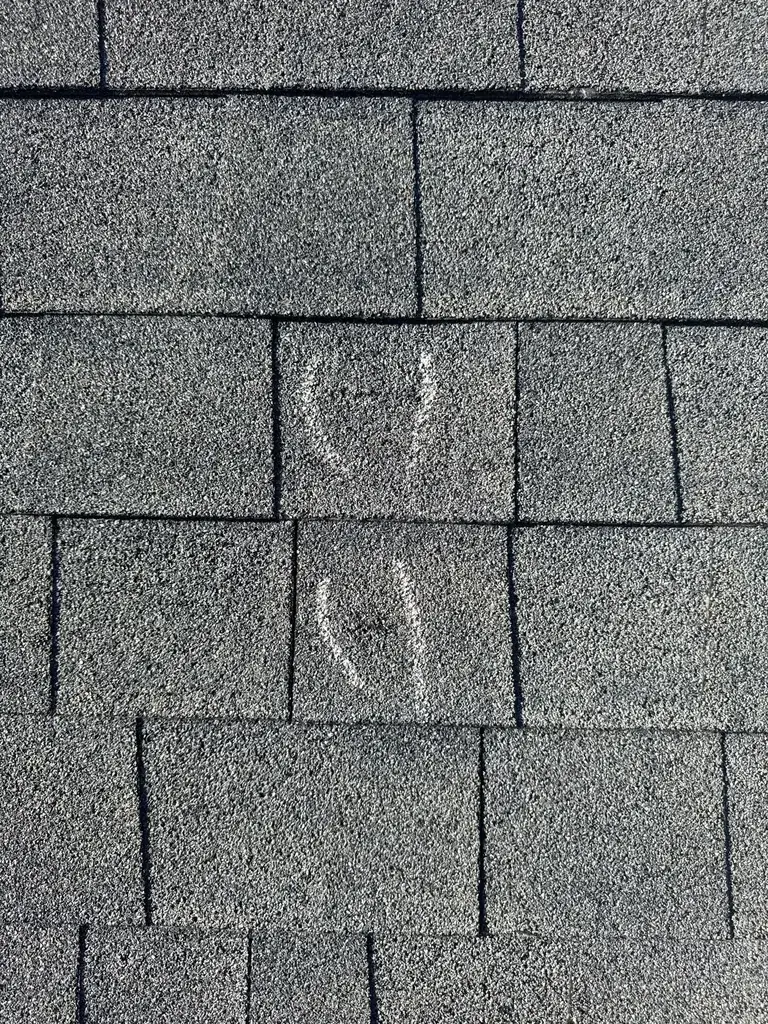
Granule loss refers to the gradual erosion of the protective granules on asphalt shingles, which can occur due to exposure to the elements and normal wear and tear. Signs of granule loss include finding granules in your driveway, gutters, and downspouts, or noticing faded and discolored spots on your roof.
When significant granule loss occurs, the asphalt shingles become less effective at protecting your home. The exposed asphalt can deteriorate rapidly, leading to premature aging, cracking, and curling of the shingles. Moreover, granule loss can impact the appearance of your roof, making it look worn and faded.
Minor granule loss may not require immediate replacement if the shingles are still in good condition. However, because granule loss normally affects the entire roof, signs of advanced wear may indicate the need for a roof replacement.
Now that you know a little more about the signs that may warrant roof repair or replacement, you'll be better equipped to identify them the next time you take a look at your roof. By keeping a vigilant eye out for these signs, you can proactively address any issues that may arise and take timely action to ensure the health and longevity of your roof.
On Tops Roofing has been repairing and replacing roofs in North Carolina since 1991. Whichever you require, We’re on it!