Roofing contractor
Three Types of roof warranties: workmanship, standard manufacturer, and extended. Learn what each covers and four steps to keep your coverage valid.


What are the three types of roofing warranties?
Roofing warranties come in three types, and each protects a different part of the job. A contractor workmanship warranty covers installation, a standard manufacturer warranty covers defective shingles, and an extended manufacturer warranty covers the whole roofing system for longer. Knowing the difference helps you choose the right coverage and avoid surprises down the road.
Key takeaways
- A workmanship warranty covers mistakes made during installation.
- A standard manufacturer warranty covers defective shingles, usually with prorated coverage over time.
- An extended manufacturer warranty covers the full roofing system for longer, but requires a certified contractor.
- Certifications like GAF Master Elite unlock enhanced manufacturer warranties.
- Registering your warranty and staying with your contractor keep coverage valid.
A warranty brings some reassurance whenever you buy something big, and your roof is no exception. Since a roof is a major investment, you want quality work backed by solid coverage in case of installation errors or defective materials. In our 30-plus years in business, a problem we see again and again is homeowners who do not fully understand their warranty options, so they end up with the wrong coverage. On Tops Roofing has installed roofs across North Carolina since 1991, and we walk every customer through their choices.
- Contractor workmanship warranty
- Standard manufacturer warranty
- Extended manufacturer warranty
- Four steps to protect your warranty
- FAQ
Contractor Workmanship Warranty
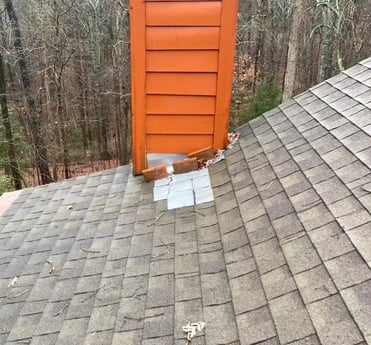
A roof only lasts when installed correctly, and a poor install can fail in as little as two years. A workmanship warranty protects you against those installation mistakes. If your roof fails because of how it was put on, the roofing company that issued the warranty covers the labor and materials to fix it. Common installation errors a workmanship warranty covers include the following.
- Using too few or too many nails, or driving them in too far
- Skipping flashing at valleys, eaves, rakes, and penetrations
- Installing in temperatures below 40 or above 85 degrees
- Failing to install the underlayment correctly
- Leaving out starter shingles
Length varies by contractor. Workmanship warranties we see typically run from 2 to 25 years, and some companies offer lifetime coverage. A longer term is better, but even a shorter one should cover material failures caused by installation errors. If a contractor offers only a one-year warranty on a replacement, treat that as a caution. Coverage amounts vary too, so as you compare estimates, ask each roofer for a written explanation of what is and is not covered, whether the warranty covers workmanship, materials, or both, and take a look at the contractor's track record.
Standard Manufacturer Warranty
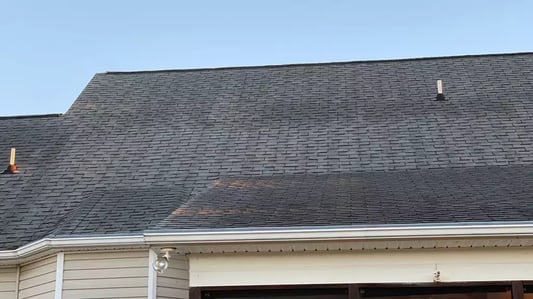
Nearly all shingles come with a basic limited lifetime warranty from the manufacturer, which is the industry standard. In practice, lifetime usually means you are covered as long as you own the home. A standard warranty replaces defective shingles at no cost during an initial period, then shifts to prorated coverage after that.
A standard warranty does have limits, though. This coverage handles factory defects only, not shingle failure from poor installation, and it usually does not pay the workmanship cost to tear off and dispose of failed shingles. A standard warranty also skips other components like underlayment, flashing, or vents, though manufacturers sometimes warrant those separately. To include labor and full replacement value, you need an enhanced or extended warranty.
Extended Manufacturer Warranty
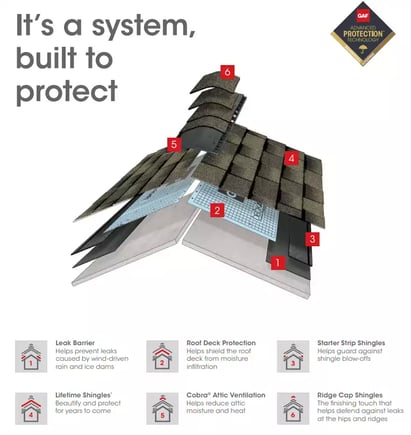
An extended manufacturer warranty covers more of your roof, for longer, than the other two. With this coverage, the manufacturer will replace your entire roof if even one of their components fails, and the repair coverage lasts far longer than a standard warranty. Two conditions apply, though, since all of your roofing materials have to come from the same manufacturer, and a certified contractor with a proven track record has to install the system to the manufacturer's specifications.
Benefits vary by manufacturer, since big names like GAF and CertainTeed offer several tiers, and the higher ones require higher contractor certification. GAF reserves its Golden Pledge warranty for Master Elite contractors, and CertainTeed ties its enhanced coverage to its higher ShingleMaster credentials. Extended warranties differ by plan, but a few benefits show up again and again.
- Coverage for defective materials for up to 50 years
- Coverage for the full roof system, apart from flashing, wood decking, and fasteners
- Coverage for workmanship errors on some plans, including labor, tear-off, and disposal, though not every extended warranty includes this
Four Steps to Protect Your Warranty
Nothing stings like filing a claim and learning your warranty is void, which often happens when homeowners assume they are covered. A few habits keep your coverage intact.
- Get regular inspections, since a check every two to three years lets your contractor catch small issues with vents, flashing, shingles, or caulking before they grow, which keeps your coverage in good standing.
- Stay with your original contractor, because many contracts void the workmanship warranty once another company alters the original installation, and the first installer is the one set up to correct their own work.
- Register your warranty, since skipping registration can leave you with no coverage at all. For enhanced warranties, a credentialed contractor registers the coverage on your behalf, so it takes more than a mail-in card.
- Read the fine print, and confirm your contractor holds the certification the manufacturer requires, because without that authorization the warranty will not hold.
Choosing the Right Coverage
Understanding these three warranties puts you in a stronger position to choose coverage that fits your home. Landing an extended warranty, though, depends on hiring a certified contractor with a solid manufacturer relationship, which usually comes with years of quality work. On Tops Roofing has installed roofs across North Carolina since 1991, with the certifications and track record to back up the coverage we offer.
FAQ
What are the three types of roofing warranties?
A contractor workmanship warranty covers installation, a standard manufacturer warranty covers defective materials, and an extended manufacturer warranty covers the whole roofing system for a longer period.
What is the difference between a workmanship and a manufacturer warranty?
A workmanship warranty covers errors made during installation, while a manufacturer warranty covers the shingles and materials themselves. Many roofs are protected by both, one from the contractor and one from the shingle manufacturer.
How can I keep my roof warranty valid?
Get regular inspections, stay with your original contractor, register the warranty with the manufacturer, and confirm your contractor holds the required certification. Skipping any of these can void your coverage when you need it.
What is an extended manufacturer warranty?
It covers the full roofing system for longer than a standard warranty, and can replace the entire roof if one component fails. Qualifying requires materials from a single manufacturer and installation by a certified contractor.
Do all roofers offer extended warranties?
No, only contractors certified by the manufacturer can offer extended warranties, such as GAF Master Elite or CertainTeed ShingleMaster companies. This certification requirement is part of why the contractor you choose affects the coverage you can get.