Roofing contractor
A cheap roof system mixes low-cost parts from different brands to hit a low price, but it brings lower quality, a shorter life, and weaker warranties.

Why shouldn't you buy the cheapest roof system?
A cheap roof system mixes low-cost components from different manufacturers instead of using one manufacturer's complete system. It costs less up front, but it tends to bring lower quality, a shorter lifespan, and weaker warranty options. Spending a bit more on a full system usually saves money over the life of the roof.
Key takeaways
- A cheap roof system mismatches parts from different brands to hit a low price.
- A full manufacturer system uses matched components installed to spec.
- Cheap systems often fail early from low-grade materials and labor.
- Only a full system by a certified contractor qualifies for an extended warranty.
- Paying more up front for quality usually costs less over the roof's life.
When having to go through the process of getting a roof replacement, price is always on the top of every homeowner's mind. While a cheaper quote may seem appealing, the sub-par quality materials and labor that comes with it can end up costing a homeowner more in the long run. In our 30 years of roofing, we have seen too many roofs fail early simply because they were built with cut-rate materials and methods. A roof is a major investment, and a cheap system puts it at risk. On Tops Roofing has installed quality roofs across the Raleigh area since 1991.
What Makes a Roof System Cheap
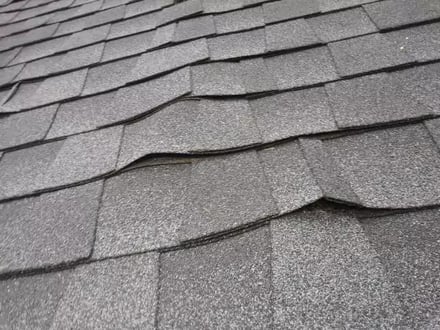
To get a roof that lasts its full advertised lifespan, you want a manufacturer's complete roof system, meaning every component comes from one trusted manufacturer and gets installed to that manufacturer's instructions. Together, those two things hold the roof to the brand's standard. A cheap system does the opposite, pulling the lowest-priced parts from different manufacturers and mixing them into a roof that looks complete but does not perform like one. Contractors certified by a manufacturer will not build a roof this way, since doing so would put their certification at risk. Choosing a full system costs more, but it gives you a higher-quality, longer-lasting roof that usually saves money over time.
Three Risks of a Cheap Roof System
Cutting corners on your roof shows up in three ways.
1. Lower Quality Overall
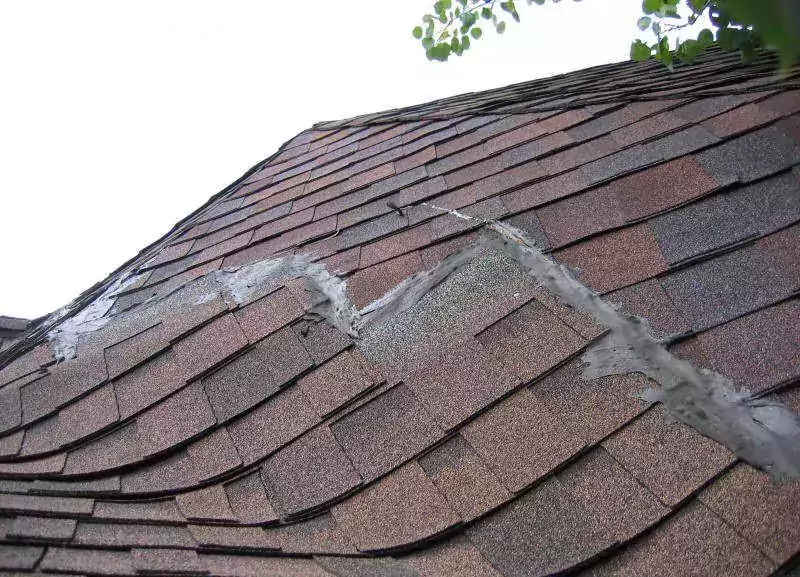
A roof that lasts takes quality materials and labor, and settling for sub-par quality on either one of these aspects sets your roof up to fail early. A price-first choice usually means mix-and-match parts rather than a proper system, and it often means the cheapest labor as well. Your contractor matters as much as the products, since a roofer who claims to install the same materials as pricier competitors may not do the same quality of work. Cheap methods show up as reused old flashing, too few nails per shingle, and premium shingles swapped for a lower grade.
2. A Shorter Lifespan
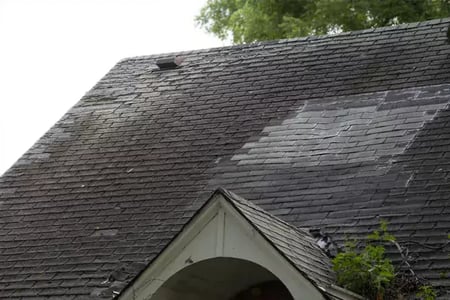
Low-cost materials and labor take years off a roof. Cheap shingles do not hold up to severe storms, and poorly installed decking cannot support the materials on top of it for long. These problems may stay hidden at first, then prove costly in repairs later. Skipped components make it worse, since leaving out something like an ice-and-water shield leaves the roof wide open to leaks and early failure. Installed well with good materials, a roof should reach its rated lifespan, whether that is 20, 30, or even 50 years.
3. Limited Warranty Options
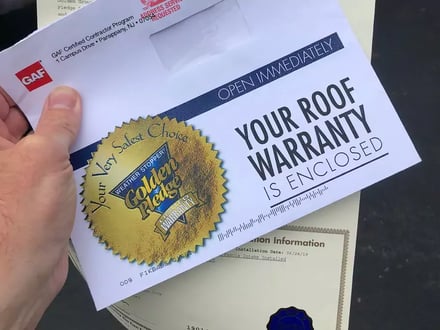
Using a manufacturer's full system, installed by a certified contractor, lets you register for an extended warranty. This coverage can replace your whole roof if a single component fails, including labor, materials, and dump fees, for up to 50 years, and many plans are transferable for 12 to 15 years. A cheap, mismatched system does not qualify, so you are left with only a contractor's workmanship warranty. How strong that warranty is depends on the contractor, and a low-quality roofer rarely offers more than a year or two, since they know a cheap roof will need repairs they would rather not come back for. We cover all three warranty types in our post on roofing warranties.
How to Avoid a Cheap Roof
Sidestepping all of this comes down to one move: hiring an experienced, reputable contractor. A seasoned roofer brings the skill and manufacturer relationships to install a full system and back it with strong warranties.
Quality Pays Off
A cheap roof system can look like a bargain, but the lower quality, shorter life, and thin warranty usually cost more in the end. Investing in a full manufacturer system and a skilled installer protects both your roof and your wallet for years. On Tops Roofing has worked with more than 900 homeowners per year across the Raleigh area since 1991, so we know how to deliver a roof that lasts.
FAQ
What is a cheap roof system?
A cheap roof system combines the lowest-priced components from different manufacturers rather than using one brand's complete, matched system. It looks like a full roof but does not perform or last like a properly matched one.
Why is a full manufacturer system better?
Every part is designed to work together and is installed to the manufacturer's specifications, which produces a longer-lasting roof and unlocks the manufacturer's extended warranty. A mismatched system misses both of those benefits.
What are the risks of a cheap roof?
Lower overall quality, a shorter lifespan, and limited warranty options. Cut-rate materials and labor tend to fail early, and a mismatched system cannot qualify for a manufacturer's extended coverage.
Does a cheap roof affect my warranty?
Yes, since only a full manufacturer system installed by a certified contractor qualifies for an extended manufacturer warranty. With a cheap system, you are usually limited to a contractor's workmanship warranty, which a low-quality roofer often keeps short.
How do I avoid a cheap roof?
Hire an experienced, certified contractor with a track record of quality work. They can install a complete manufacturer system and back it with strong warranties, rather than mixing cut-rate parts to hit a low price.