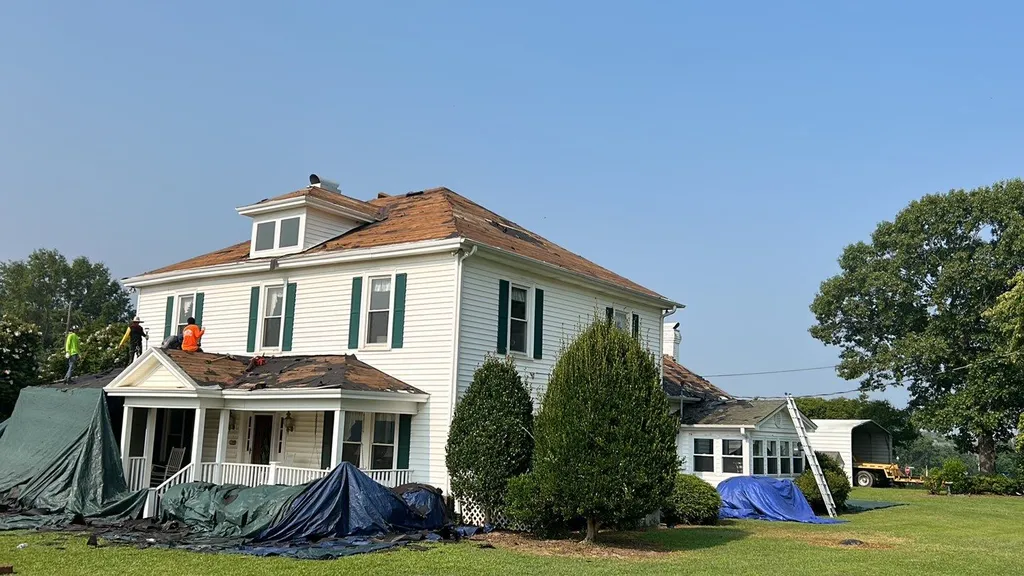
Storm damage
Did a storm damage your roof? Learn how to check for storm damage from the ground, what to look for on each roofing material, and when to call a roofer.

How do you check your roof for storm damage?
After a storm, check your roof from the ground first. Look for missing, cracked, or lifted shingles, dents on metal panels and gutters, and cracked skylights or vent boots, then check your attic and ceilings for new stains. What you look for depends on your roofing material, and a roofer should confirm anything you spot.
Key takeaways
- Start from the ground and inside the attic, and leave climbing the roof to a professional.
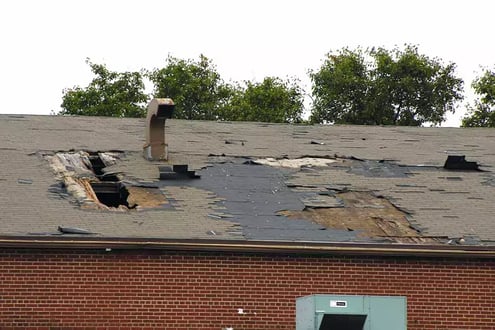
- Asphalt shingles show damage as missing, cracked, or broken pieces that expose the decking.
- Metal, wood shake, and tile each fail differently, so know what to look for on yours.
- Gutters and roof penetrations take a beating in storms and are easy to overlook.
- Photograph any damage you find, since it helps with both repairs and an insurance claim.
The busiest stretch for any roofing contractor is right after a big storm, when wind, hail, and flying debris leave a trail of damaged roofs across the area. We see how much harm a strong storm can do, and how often homeowners miss the early signs. This post walks through how to check each part of your roof after severe weather, and what kind of damage different materials tend to take. As a GAF Master Elite and CertainTeed-certified contractor, On Tops Roofing has handled storm damage across the Raleigh area since 1991.
- How to check safely from the ground
- Storm damage by roofing material
- Gutters and roof penetrations
- FAQ
How to Check Safely From the Ground
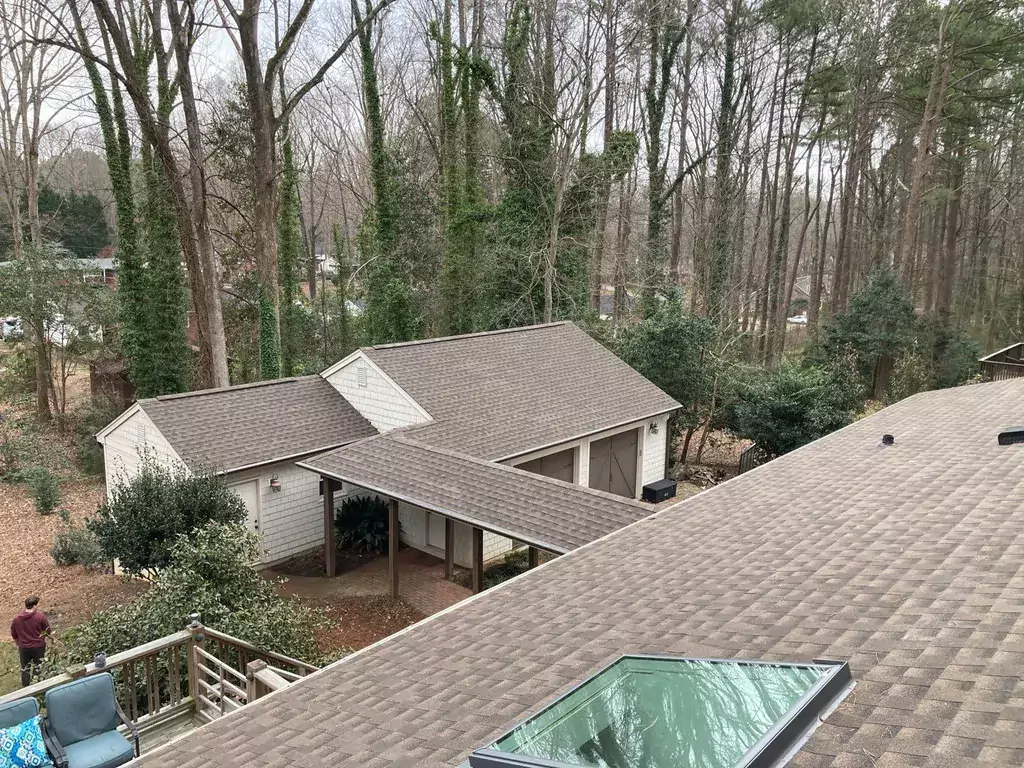
Once the weather clears, you can spot a lot without ever leaving the ground. Walk the perimeter of your home and look up at each slope, using binoculars or your phone's zoom for a closer view. Scan for missing, lifted, or cracked shingles, dented gutters or vents, and any debris resting on the roof. Then step inside and check the attic and top-floor ceilings for fresh stains, damp spots, or daylight showing through the deck, all signs that water has found a way in.
Photograph anything that looks off, since those images help a roofer plan repairs and support an insurance claim later. It is recommended to skip the climb onto the roof yourself. A storm-hit roof can be slick and structurally weak, and walking a damaged slope adds risk without revealing much more than a proper inspection would. Leave that part to a contractor who does it every day.
Storm Damage by Roofing Material
How much damage a storm leaves, and what it looks like, depends heavily on your roofing material. Here is what to watch for on each.
Asphalt Shingles
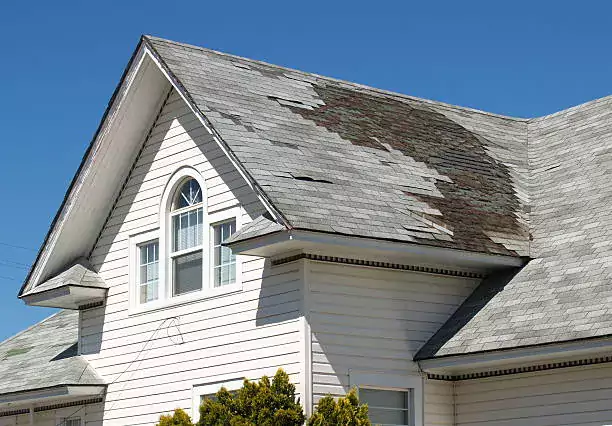
On an asphalt shingle roof, look for shingles that are missing, broken, or cracked. Wind, flying debris, heavy rain, and especially hail can all knock shingles loose or split them. Any time a section of shingles is damaged, the rest of the roof grows vulnerable, since the exposed decking now takes weather it was never meant to face. A quick look around the house after any strong storm is well spent.
Metal Roofing
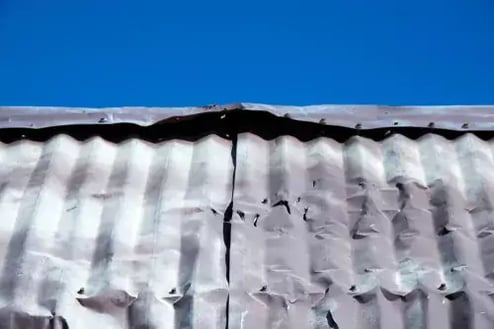
Metal roofs tell a different story, and not every mark needs an immediate fix. Standing seam panels can pick up dents from hail or debris, yet they shrug off wind and rain well. Screw-down panels carry more risk, since their exposed fasteners give water an easy entry point, one of several reasons we steer homeowners away from screw-down over a house. Either way, keep an eye out for rust, holes, or gaps opening between panels, and address those promptly.
Wood Shakes
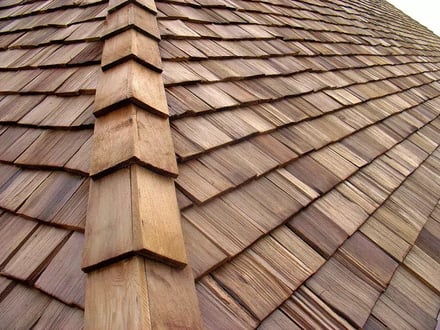
Wood shakes and shingles turn up more in milder climates, prized for a natural look and greener footprint. They are less durable than asphalt, so a post-storm check is wise. Watch for shakes that are missing, broken, chipped, or cracked. When you find damage, the next step is to call a roofer and have the area patched with matching material rather than leaving it open to the weather.
Ceramic or Slate Tile
Tile roofs last exceptionally long in fair weather, with individual pieces lasting well past 50 years. A strong storm can still crack or dislodge tiles that then need replacing. Ceramic tiles are more prone to hail and wind damage, since they weigh less than slate and blow off more easily. Slate is heavy enough to resist lifting and shrug off most hail, though a roof structure has to be built to carry that considerable weight in the first place.
Gutters and Roof Penetrations
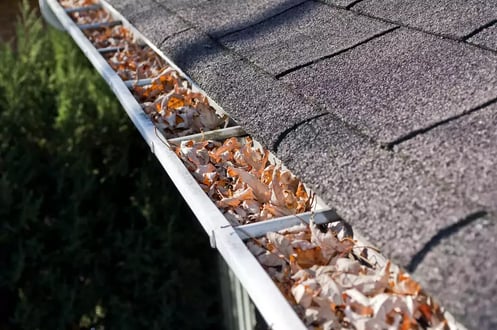
Gutters and roof penetrations sit outside the protection of your main roofing material, so they take a beating in a storm. Hail and debris dent gutters, but the bigger risk shows up when they are clogged. Rainwater that cannot drain backs up and overflows, either onto the roof, wearing at shingles and reaching the decking, or over the side, flooding the yard and threatening your foundation.
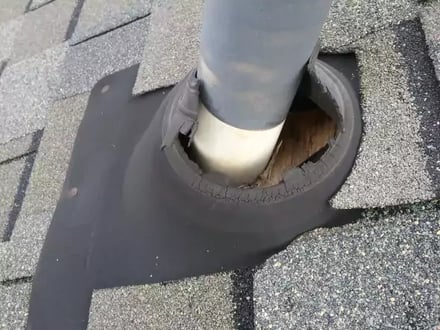
Penetrations like vents, pipes, and skylights are exposed to hail and debris too. Vents can dent, which hurts performance, especially on a powered vent. The weakest point on a pipe is the boot sealing the opening a pipe passes through, and an aged or low-grade boot that gets struck will start letting water into the decking, so replace it quickly. A skylight hit by hail can crack and leak, and even an intact one can leak if its seal fails, showing up as a stain on the ceiling rather than water on the glass.
When to Call a Roofer
A ground-level check tells you plenty, but a roofer catches what an untrained eye misses and knows how to fix it. After a serious storm, a professional inspection is the safest way to know where you stand, and sets up any insurance claim you may need to file. On Tops Roofing has repaired and replaced storm-damaged roofs across the Raleigh area since 1991, and you can request a free inspection whenever you need one.
FAQ
How do I check my roof for storm damage?
Start from the ground, scanning each slope for missing, cracked, or lifted shingles, dented metal or gutters, and cracked skylights, then check the attic and ceilings for stains or daylight. Photograph anything you find and have a roofer confirm it.
Should I climb on my roof after a storm?
No, a storm-hit roof can be slick and structurally weakened, so climbing onto one adds real risk. You can spot most damage from the ground and the attic, and a professional inspection covers the rest safely.
What does hail damage look like on a roof?
On asphalt shingles, hail leaves dents, bruises, and knocked-off granules, and can crack or break shingles. On metal that shows as dents, and on tile as cracked or dislodged pieces. Gutters and vents often show dents too.
Does my roofing material change what storm damage to look for?
Yes, asphalt tends to lose or crack shingles, metal dents or rusts at fasteners, wood shakes chip and split, and tile cracks or blows off. Knowing your material tells you what signs matter most.
Do I need a roofer if I do not see any damage?
After a strong storm, a professional inspection is still a good idea, since subtle damage like bruised shingles or a cracked boot is easy to miss and can lead to leaks. Catching it early keeps a small problem from growing.